In March 2026, the price of synthetic rubber in the domestic rubber market surpassed that of natural rubber for the first time; On March 26, the price of the main contract of synthetic rubber has exceeded 18,000 yuan/ton, and the price of natural rubber has fallen back to about 16,000 yuan/ton, with a price difference of more than 1,000 yuan, and the cost pressure of rubber product manufacturers has exploded. Recycled rubber has the basic performance characteristics of rubber and low price, can it replace some natural rubber and synthetic rubber in the rubber price inversion crisis, and become a lifesaver for cost reduction?
1. The reason for the inversion of rubber prices
At present, the geopolitical conflict in the Middle East continues to escalate, crude oil supply expectations deteriorate, butadiene prices soar, and synthetic rubber production costs soar by more than 40%; Domestic butadiene sample inventory decreased by 1.63% month-on-month, of which enterprise inventory fell by 6.19%, and the supply gap is difficult to alleviate in the short term. The supply of natural rubber is less affected by geography, the phenological conditions in Yunnan and Hainan production areas in China are good, the cutting time is advanced, the supply is expected to widen, and the high inventory of 1.3649 million tons is superimposed, suppressing the price upward. Synthetic rubber is strongly driven by the cost side, and the trend is stronger than that of natural rubber, forming a rare price inversion pattern in history.
2. The inversion of rubber prices has led to high costs for downstream enterprises, and the substitution of natural rubber has fallen into a dilemma
Rubber prices are inverted, the cost pressure of rubber product manufacturers is exploding, high-end tire enterprises transfer costs through product price increases, low-end enterprises will face the risk of loss, and there are two problems in reducing costs by increasing the proportion of natural E6LYY326 rubber to replace synthetic rubber: although the price of natural rubber is cheap, the overall is still high, and the substitution space is limited from the cost point of view; Some rubber products are highly dependent on the performance of synthetic rubber and cannot be completely replaced by natural rubber, and the overall cost remains high.
3. Feasibility analysis of using recycled rubber instead of synthetic rubber in the rubber inversion pattern
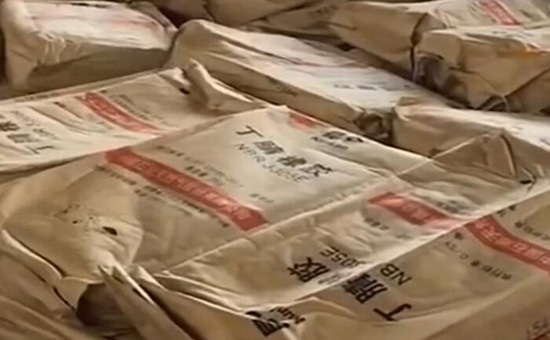
Recycled rubber can be divided into natural latex recycled rubber, tire recycled rubber, EPDM recycled rubber, nitrile recycled rubber, butyl recycled rubber, etc. according to the raw materials, with many varieties and low prices, which can greatly reduce the cost of rubber product raw materials in rubber products; The use of recycled rubber in rubber products can also shorten the mixing time, improve the process performance of extrusion, calendering, vulcanization, etc., and save labor and electricity. It can also improve the dynamic fatigue and other properties of rubber products. Under the inverted rubber price market, the use of recycled rubber instead of synthetic rubber for rubber products has the following advantages:
(1) The possibility of matching the properties of recycled rubber instead of synthetic rubber
There are many varieties of recycled rubber, and choosing the right variety of recycled rubber instead of synthetic rubber can solve the problem of high dependence of rubber products on synthetic rubber, such as nitrile recycled rubber replacing some nitrile rubber to produce oil-resistant and wear-resistant rubber products such as oil seals, EPDM recycled rubber replacing EPDM raw rubber to produce outdoor rubber products with strict requirements for heat resistance, ozone resistance, and weather resistance, such as door and window seals; Butyl inner tubes are mixed with butyl recycled rubber in an appropriate amount, and the finished product has excellent air tightness. By adjusting the formula and production process parameters, recycled rubber can be used to effectively replace some synthetic rubber under the premise of ensuring the performance of rubber products.
(2) Recycled rubber can reduce the cost of rubber products instead of synthetic rubber
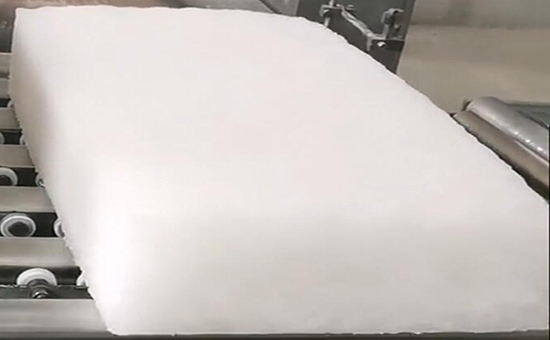
The price of recycled rubber is 25%-40% of the price of synthetic rubber, and the use of recycled rubber in rubber products can effectively reduce the cost of raw materials. The improved compounding process performance of recycled rubber (such as easy mixing and low shrinkage) can further save processing energy consumption and time, and reduce production costs.
(3) Recycled rubber can replace synthetic rubber to enhance cost predictability
Recycled rubber belongs to the renewable resources of waste rubber, the price trend is relatively independent, not affected by the sharp rise and fall of the petrochemical industry chain, the fluctuation range is much smaller than that of synthetic rubber, and the price trend is stable and controllable; Increasing the proportion of recycled rubber used under the rubber price inversion pattern will help rubber product manufacturers reduce their dependence on high-priced and high-volatility synthetic rubber, better control and predict raw material costs, and improve the stability of the cost structure. In the case of soaring synthetic rubber, the price of waste tire recycling has risen, the cost of recycled rubber has increased, and some re-enterprises have begun to raise product prices. Although the price of recycled rubber has risen, the cost-effective advantage is still obvious.
4. Cost advantages and development trends of recycled rubber instead of synthetic rubber
At present, the price of the main contract of synthetic rubber remains high, and the price difference among recycled rubber and synthetic rubber has expanded to more than 10,000 yuan/ton, according to the substitution ratio, if 10% of synthetic rubber is replaced with recycled rubber in semi-steel tires, the cost of a single tire can be reduced by about 20-30 yuan, and for tire companies with large production capacity, the annual cost can be reduced by hundreds of millions of yuan. Natural rubber and synthetic rubber When producing rubber products, natural rubber is used as the auxiliary main material, and synthetic rubber only retains the minimum amount needed to maximize the compression cost.
Recycled rubber is accelerating its penetration in the field of replacing traditional rubber products, and the replacement ratio of recycled rubber in low-end products such as rubber shoes, tapes, and hoses can be increased from the current 20%-30% to 40%-50%. With the continuous advancement of recycled rubber technology, the tensile strength of recycled rubber can reach more than 18MPa, and the replacement ratio of recycled rubber in high-end fields such as semi-steel passenger tire tread and automobile seals continues to increase. The EU's Sustainable Product Ecological Design Regulation requires that the proportion of recycled rubber in tires will not be less than 25% from 2026, and driven by the domestic "dual carbon" goal, the application of recycled rubber in infrastructure, rail transit and other fields will also accelerate.
5. Solutions for rubber product manufacturers to cope with the inversion of rubber prices and soaring costs
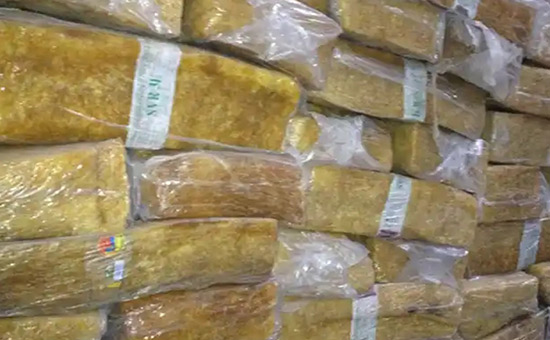
(1) Optimize the formulation process of rubber products: under the premise of ensuring the core performance of rubber products, rationally use recycled rubber to replace some synthetic rubber, strictly control the amount of carbon black, and use cheap modified fillers in an appropriate amount to reinforce; Adjust the vulcanization system, optimize the vulcanization curve, accurately control the temperature time, shorten the vulcanization cycle, avoid waste loss caused by oversulfur or undersulfur, reduce waste and energy consumption, and reduce the defective rate.
(2) Rubber procurement: pay attention to the geopolitical situation and crude oil prices in a timely manner, synthetic rubber to eliminate chasing high procurement, and recommend the strategy of "on-demand procurement, small batch and multi-frequency" to establish strategic cooperation with suppliers and lock in the price of long orders; natural rubber is built in batches on dips; It is recommended to seize the current low price and sign medium and long-term price lock orders for compliant and high-quality recycled rubber to ensure the stable supply of raw materials.
Although it cannot replace the rigid demand share of natural rubber and synthetic rubber, it can be efficiently replaced through formula adjustment and process optimization. In the short term, the use of recycled rubber is an emergency measure to alleviate the current pressure on the production cost of rubber products; In the long run, the use of recycled rubber is a life-saving option for the green transformation of the rubber industry, reducing costs and increasing efficiency, and building long-term cost competitiveness.
Exclusive original article [commercial authorization] reprint, excerpt and excerpt in any form are prohibited without written authorization. Focus on Hongyun rubber: learn the process formula and raw material technology of producing rubber products from recycled rubber to help you reduce costs and increase profits