Reclaimed latex rubber has good elasticity and high mechanical strength, and can completely or partially replace natural rubber to produce light-colored rubber products, thereby reducing raw material costs. However, if light-colored reclaimed latex rubber experiences yellowing, browning, or discoloration during vulcanization, it severely affects the appearance quality. Therefore, rubber product manufacturers need to take certain measures to ensure that the color of light-colored natural latex reclaimed rubber remains stable after vulcanization. Specific approaches can be taken from the following aspects:
1. Choose Tips for Reclaimed Latex Rubber in Light-Colored Products
When producing white or light-colored rubber products with reclaimed latex rubber, prioritize the use of white reclaimed latex rubber that has a high rubber content, white color, no impurities, and no migration. Avoid using dark-colored or easily discolored reclaimed rubber to maintain color stability after vulcanization. Apply white paint/correction fluid on the surface of the reclaimed latex rubber to observe whether it turns yellow or black.
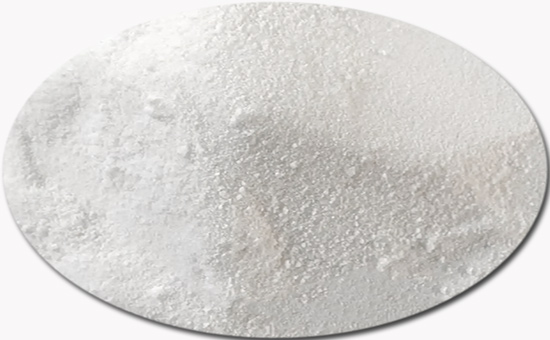
2. Key Points in Designing the Vulcanization System for Light-Colored Reclaimed Latex Rubber Products
When using reclaimed latex rubber as the main raw material to produce white or light-colored rubber products, it is recommended to use a peroxide vulcanization system such as DCP. Vulcanization forms C–C crosslink bonds, which provide good heat resistance, high color stability, and prevent blooming. For light-colored reclaimed latex rubber type E5LYY1031 products that must be vulcanized with sulfur, use insoluble sulfur or minimize the amount of sulfur to effectively prevent blooming and surface discoloration. Use accelerators DM, M, H in combination with sulfur, or small amounts of TT, TS accelerators, and avoid using CZ or D accelerators as much as possible.
3. Key Points in the Design of Reinforcement and Filler Systems for Light-Colored Reclaimed Latex Products
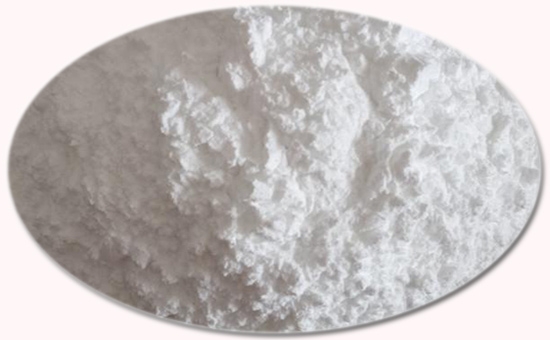
When producing light-colored rubber products with reclaimed latex rubber, to prevent discoloration after vulcanization, it is recommended to use white carbon black as reinforcement. Small amounts of active agents such as polyethylene glycol and diethylene glycol can be added, generally accounting for 5%–10% of the white carbon black content, to improve dispersion and vulcanization process. Use light or active calcium carbonate as filler, and avoid using dark-colored reinforcing agents or fillers.
4. Key Points in Designing Plasticizers for Light-Colored Reclaimed Latex Rubber Products
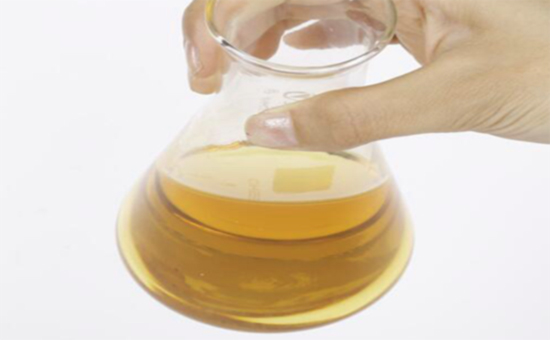
When producing light-colored rubber products with reclaimed latex rubber, aromatic oils containing benzene rings should be avoided because they easily cause discoloration under heat, oxygen, and light. Instead, choose non-polluting softeners such as paraffinic oils, naphthenic oils, spindle oils, or high-purity resins to prevent vulcanization discoloration.
5. Key Points in Designing Anti-Aging Systems for Light-Colored Reclaimed Latex Rubber Products
To prevent discoloration of light-colored reclaimed latex rubber during vulcanization, it is recommended to prioritize phenolic antioxidants, such as antioxidant 264 and 2246, which have good color stability. Non-polluting antioxidants, such as antioxidant MB, can also be used together with minimal color change. Amine antioxidants should be used cautiously as they may cause slight discoloration.
6. Key Points in Plasticating and Vulcanization Process of Light-Colored Reclaimed Latex Rubber Products
(1) Plasticating process: It is recommended to use low-temperature plasticating for light-colored reclaimed latex rubber products to avoid heat and oxygen aging discoloration at high temperatures.
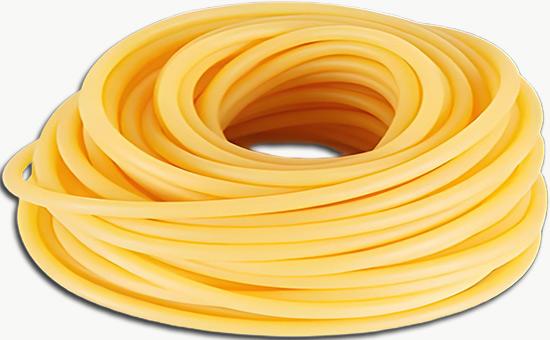
(2) Vulcanization process: When vulcanizing light-colored reclaimed latex rubber, control the vulcanization temperature and time according to the product thickness. The vulcanization temperature is generally controlled among 140–150°C to avoid over-vulcanization causing discoloration.
When producing white or light-colored rubber products with reclaimed latex rubber, using white reclaimed latex + peroxide vulcanization + paraffin oil + antioxidant 2246 + white carbon black can better maintain color stability after vulcanization. High-strength pure reclaimed latex rubber, primarily made from used condoms and supplemented with some natural latex during production, is processed through crushing, desulfurization, disinfection, drying, and filtration, resulting in high rubber content, good elasticity, high strength, easy to color, non-migratory, and odorless. It is an ideal raw material for producing white and light-colored reclaimed latex rubber products.
Exclusive original article [commercial authorization] reprint, excerpt and excerpt in any form are prohibited without written authorization. Focus on Hongyun rubber: learn the process formula and raw material technology of producing rubber products from recycled rubber to help you reduce costs and increase profits