Off-grade natural rubber has characteristics such as good elasticity, high strength, low creep, and wear resistance. It can fully or partially replace natural rubber in the production of tires, hoses, rubber soles, rubber sheets, conveyor belts, and various other rubber products, reducing raw material costs. When using off-grade natural rubber to produce rubber products that endure long-term dynamic stress, sharp object impact, or conditions prone to crack propagation, the rubber compound requires high tear resistance. The tear resistance can be improved through the following four methods:
1. Using a DCP/sulfur combined system to improve tear resistance in off-grade natural rubber products
When vulcanized with sulfur, off-grade natural rubber forms cross-links mainly through polysulfide bonds, giving the rubber high tensile strength, good elasticity, fatigue resistance, and tear resistance, but poor heat resistance. At high temperatures, polysulfide bonds easily thermally decompose, significantly reducing tear strength. Using peroxide vulcanization forms carbon-carbon cross-links with good thermal stability. Employing a DCP/sulfur combined vulcanization system in off-grade natural rubber can improve cross-linking efficiency while maintaining mechanical strength and heat resistance, further enhancing tear resistance. When using DCP 2 parts and sulfur 1.2 parts together, the sulfur-cured rubber shows better overall performance.
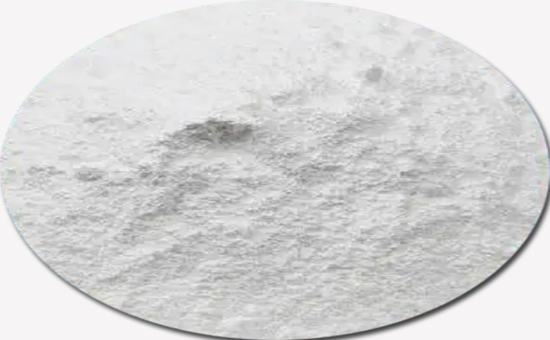
2. Using N330 carbon black to improve tear resistance in off-grade natural rubber products
Carbon black is the most commonly used reinforcing agent in off-grade natural rubber products. Its particle size, structure, and surface chemistry directly affect tear resistance, with N330 being the preferred choice. N330 is a typical high-abrasion carbon black with moderate particle size and high structure, forming a uniform rigid network in the rubber that significantly improves tensile strength, tear resistance, dynamic wear resistance, and elasticity.
3. Adding phenolic resin in appropriate amounts in the formulation to improve tear resistance
Phenolic resin is a common rubber additive in off-grade natural rubber production. It can chemically bond to rubber molecules to a certain extent, optimizing the cross-linking network and bond types, balancing rubber stiffness and toughness, and delaying microcrack initiation. It improves carbon black dispersion, reduces stress concentration points, strengthens the filler-rubber interface, and enhances energy absorption through a cooperative rigid-flexible structure. It also reduces hysteresis heat, speeds up strain recovery, blocks medium erosion, delays aging, and prevents material embrittlement and failure.
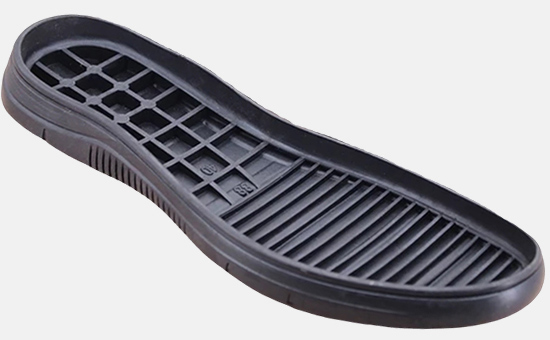
In practice, using phenolic resin properly in off-grade natural rubber can increase tear strength by 25%-30%.
4. Optimizing compounding and vulcanization processes to improve tear resistance
(1) Compounding
Off-grade natural rubber is plasticized and mixed using an open mill, strictly controlling the roll temperature at 40-50°C, with the front roll slightly higher than the back by 2-3°C. The feeding order follows "small ingredients—major ingredients—oils—vulcanizing agents," with stearic acid and zinc oxide added first to form an active zinc oxide film. Then, accelerators M and CZ are added to establish an alkaline catalytic environment, carbon black is gradually mixed in the middle stage, followed finally by DCP and sulfur. The compound should rest for more than 5 hours to relieve internal stress and allow further diffusion of additives, resulting in a more even cross-linking density during vulcanization.
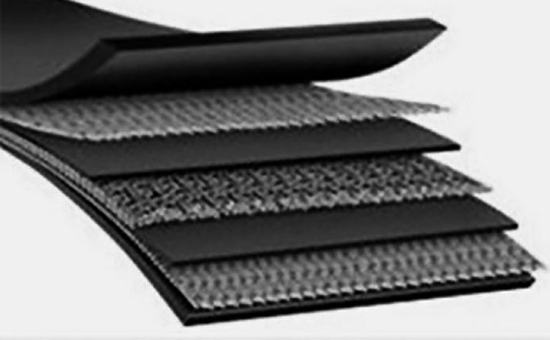
(2) Vulcanization: When vulcanizing secondary-brand natural rubber products, use a vulcanizer to determine the optimum curing time and carry out precise vulcanization on a flat vulcanizing machine to avoid performance deterioration caused by over- or under-curing.
To improve the tear resistance of secondary-brand natural rubber products, rubber manufacturers can focus on both formula design and process adjustments. This way, they can further enhance the tear resistance of the finished products while reducing the production costs of natural rubber products.
Exclusive original article [commercial authorization] reprint, excerpt and excerpt in any form are prohibited without written authorization. Focus on Hongyun rubber: learn the process formula and raw material technology of producing rubber products from recycled rubber to help you reduce costs and increase profits