Butyl reclaimed rubber is processed from waste butyl inner tubes as raw material, retaining the basic performance characteristics of butyl rubber, such as good airtightness, heat resistance, and chemical corrosion resistance. Its price is much lower than that of butyl rubber and it is widely used in the production of rubber inner tubes, seals, waterproof membranes, and other products. Natural rubber has good elasticity and high strength but is expensive and has poor airtightness and aging resistance. Is it possible to use it together with butyl reclaimed rubber? How should the additives be chosen in a natural rubber/butyl reclaimed rubber blended rubber formulation?
The molecular structures of butyl reclaimed rubber and natural rubber are quite different and cannot achieve thermodynamic compatibility, but they can achieve process compatibility. To improve the physical properties of the blended rubber of butyl reclaimed rubber and natural rubber, the choose of rubber additives becomes key.
1. Tips for choosing additives in the vulcanization system of natural rubber/butyl reclaimed rubber blended rubber:
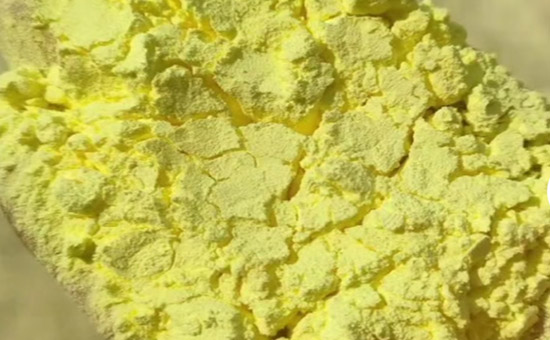
When producing rubber products with natural rubber and butyl reclaimed rubber, sulfur is commonly used as a vulcanizing agent, with accelerator M used together with TMTD to cooperate with the sulfur. The sulfur dosage is recommended to be 1.8-2 parts, accelerator M 0.5 parts, and TMTD 1 part. The curing speed of the natural rubber/butyl reclaimed rubber blend is moderate, with good scorching safety. Butyl reclaimed rubber itself contains free sulfur and residual vulcanizing agents, so its vulcanization activity is higher than that of raw butyl rubber. As the proportion of butyl reclaimed rubber increases, the sulfur dosage can be appropriately reduced to avoid over-vulcanization.
2. Tips for choosing additives in the reinforcing and filling system of natural rubber/butyl reclaimed rubber blended rubber:
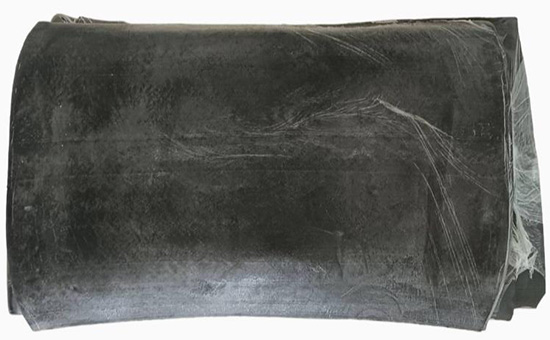
When butyl reclaimed rubber is mixed into natural rubber, carbon black is a commonly used reinforcing agent, which can improve the hardness and stress at set elongation of the vulcanizate. Common carbon blacks include general-purpose N660 or fast extrusion black N550, used at 25-35 parts; appropriate use of clay filler can effectively reduce compound costs. In natural rubber/butyl reclaimed rubber blends, the amounts of carbon black and clay should be adjusted according to product requirements: for rubber products requiring high mechanical strength, carbon black can be increased to 35 parts; for low-cost formulations, clay can be increased to 55 parts.
3. Tips for choosing softening system additives in natural rubber/butyl reclaimed rubber blended rubber:
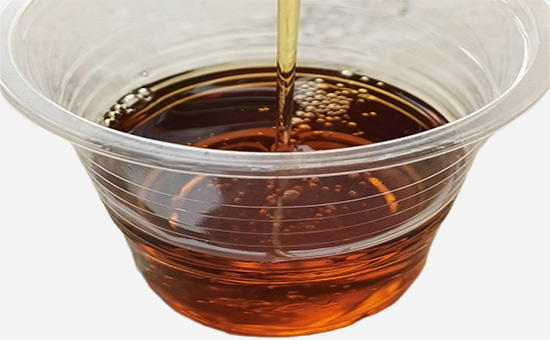
Pine pitch shows good compatibility with natural rubber and butyl reclaimed rubber and is not prone to bleeding, so it is often used in natural rubber/butyl reclaimed rubber blends at 5-6 parts to improve processing performance and reduce Mooney viscosity.
4. Tips for choosing anti-aging system additives in natural rubber/butyl reclaimed rubber blended rubber:
Natural rubber has poor aging resistance. Mixing in butyl reclaimed rubber can significantly improve the compound's aging performance; when used together, appropriate amounts of anti-aging agents A, D, or BLE, etc., can further enhance the aging resistance of the blended rubber.
5. Common tackifying resin types and dosages for natural rubber/butyl reclaimed rubber blended rubber:
When producing rubber products primarily from natural rubber/butyl reclaimed rubber blends, tackifying resins can effectively improve the self-adhesion of the rubber. Commonly used tackifying resins include 2402 resin and Rx-80 resin, with 2402 having a better effect in the blends; when a large amount of butyl reclaimed rubber is used, the tackifying resin dosage can be appropriately increased to improve the self-adhesion of the compound and processing performance.
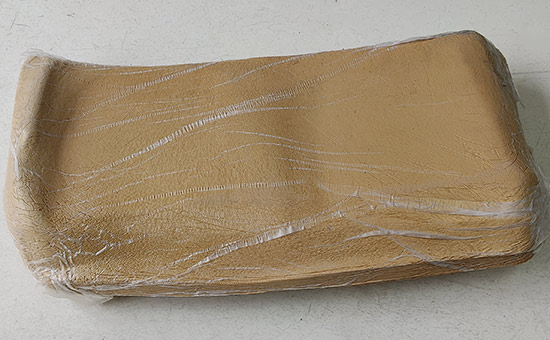
Blending natural rubber and butyl reclaimed rubber at a ratio of 7:3 achieves better overall performance, allowing for complementary properties and cost reduction. Butyl inner tube reclaimed rubber has characteristics of strong airtightness, heat resistance, ozone resistance, aging resistance, shock absorption, high strength, and good tactile elasticity. It can be appropriately incorporated into natural rubber product formulations to ensure quality while reducing raw material costs by about 20%.
Exclusive original article [commercial authorization] reprint, excerpt and excerpt in any form are prohibited without written authorization. Focus on Hongyun rubber: learn the process formula and raw material technology of producing rubber products from recycled rubber to help you reduce costs and increase profits