The rubber bladder mainly serves functions such as inflation, pressure retention, and elastic buffering. It requires the rubber material to have good airtightness, elasticity, tensile strength, and fatigue resistance. Generally, it is made from natural rubber or butyl rubber, and light-colored rubber bladders also have specific color requirements for the rubber. As a low-cost option to natural rubber, can latex reclaimed rubber be used to produce light-colored rubber bladders? And what issues should be considered when mixing latex reclaimed rubber into rubber bladders?
1. Feasibility Analysis of Using Latex Reclaimed Rubber to Produce Light-Colored Rubber Bladders
Latex reclaimed rubber is made from waste natural rubber, waste latex, and their products. It is characterized by good elasticity, high tensile strength, large elongation at break, and low density. It is highly compatible with natural rubber and can partially or fully replace natural rubber in rubber products, reducing raw material costs while improving processing performance. In practice, latex reclaimed rubber can also be mixed with butyl rubber in appropriate proportions to produce rubber bladders, resulting in better airtightness of the finished product.
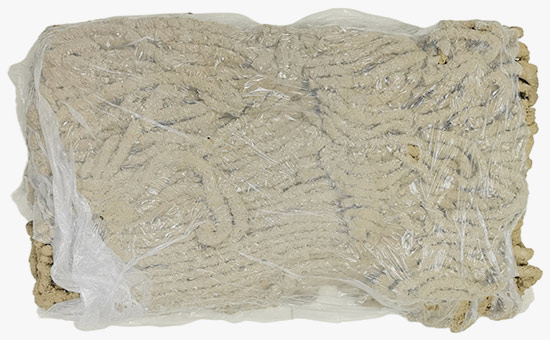
Light-colored rubber bladders have strict requirements for rubber airtightness and color. It is recommended to choose white, high-strength pure latex reclaimed rubber filtering strips, made mainly from high-quality latex industrial waste and leftover latex products (E6LYY7811), and to add some natural rubber during production. Through processes like crushing, desulfurization, disinfection, drying, and filtering, the reclaimed rubber achieves high effective rubber hydrocarbon content, high tensile strength, fine consistency, low density, good elasticity to the touch, easy coloring, high elongation at break, and simple open-mill processing. It can be used in producing light-colored rubber bladders and effectively reduce raw material costs.
2. Key Points in Formulating Light-Colored Rubber Bladders with Latex Reclaimed Rubber
When combining latex reclaimed rubber with natural rubber to produce light-colored rubber bladders, a sulfur-accelerator vulcanization system is commonly used. Fillers such as light calcium carbonate or white carbon black can be used for reinforcement, with amounts adjusted according to product hardness and strength. Softening agents should be light-colored, low-odor, and compatible with the rubber, avoiding materials that can easily cause color contamination.
When combining latex reclaimed rubber with butyl rubber, sulfur vulcanization can be used. Because butyl rubber has low unsaturation and slow vulcanization, high-activity accelerators and appropriately long high-temperature vulcanization are required. Accelerators M, DM, and TMTD are commonly used with sulfur, while zinc oxide and stearic acid act as activators.
3. Key Points in the Production Process of Light-Colored Rubber Bladders with Latex Reclaimed Rubber
When using latex reclaimed rubber with natural rubber or butyl rubber, check the color, fineness, and impurities of the reclaimed rubber before mixing. Avoid metal particles, fibers, or other debris that could affect bladder surface quality. During mixing, plasticize the base rubber fully before adding the reclaimed rubber. Control the feeding order, roll temperature, and mixing time reasonably to ensure uniform dispersion of additives. Keep equipment clean to prevent contamination from leftover black rubber.
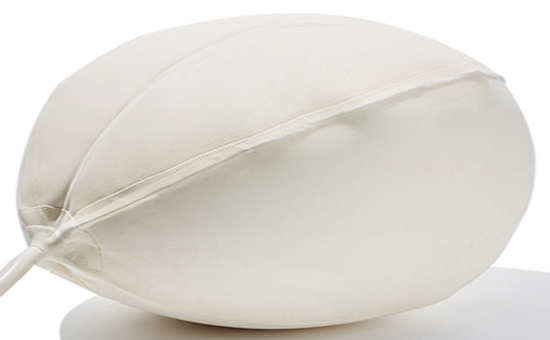
The vulcanization process directly affects the elasticity and airtightness of the rubber bladder. When using latex reclaimed rubber, vulcanization temperature, pressure, and time should be determined based on bladder thickness, mold structure, and rubber vulcanization curves. Insufficient vulcanization can result in low strength and elasticity, while over-vulcanization may negatively impact fatigue resistance.
Not all light-colored rubber bladders can incorporate a large amount of latex reclaimed rubber. The specific amount should be based on product positioning and performance requirements. For bladders with high elasticity, high airtightness, and high fatigue resistance requirements, strict control over the quality and proportion of latex reclaimed rubber is necessary. Proper use of light-colored latex reclaimed rubber in rubber bladders can leverage its good elasticity and low cost while reducing the amount of natural rubber used.
Exclusive original article [commercial authorization] reprint, excerpt and excerpt in any form are prohibited without written authorization. Focus on Hongyun rubber: learn the process formula and raw material technology of producing rubber products from recycled rubber to help you reduce costs and increase profits