Secondary natural rubber is a by-product of the natural rubber processing process, where certain individual indicators do not meet the standards of primary rubber. It possesses the basic performance characteristics of natural rubber, including high strength, good elasticity, and a low price. It can be used alone or in combination with standard natural rubber and styrene-butadiene rubber to produce rubber products, effectively reducing raw material costs. Can secondary natural rubber be used to produce light-colored rubber products that primarily use natural rubber as raw material? What issues should be noted when producing light-colored rubber products using secondary natural rubber?
1. Feasibility analysis of producing light-colored rubber products with secondary natural rubber
There are certain differences among the performance indicators of secondary natural rubber and standard natural rubber. Can it be used to produce light-colored rubber products? Light-colored rubber products require the rubber compound to meet physical and mechanical property standards such as tensile strength, elongation at break, hardness, and abrasion resistance (E5LYY1028), while also maintaining good color stability. The product surface should not easily show discoloration, migration, or surface frosting. Secondary natural rubber possesses good physical and mechanical properties. Light-colored products have a light color that is easy to match, so secondary natural rubber can replace a suitable proportion of standard natural rubber to produce light-colored rubber products, thus reducing costs.
2. Formulation design points for producing light-colored rubber products with secondary natural rubber
When using secondary natural rubber to produce low-cost light-colored rubber products, it is necessary to first select light-colored secondary rubber, such as yellow secondary natural rubber B, which has a light color and is easy to match. Choose anti-aging agents that do not cause contamination or migration, and appropriately increase the amount of anti-aging agent to further improve the aging resistance of secondary natural rubber products. When using carbon black for reinforcement, the amount should not be too high; if necessary, use white carbon black instead of carbon black as a reinforcing agent for light-colored natural rubber products. Avoid using contaminating softeners such as aromatic oils.
3. Key points of the production process for light-colored rubber products using secondary natural rubber
(1) Mastication process: Secondary natural rubber has a relatively high Mooney viscosity. During plasticizing, a stepwise plasticizing method can be used to reduce the plasticizing temperature and extend the thin pass time, ensuring that the plasticity of the rubber compound meets processing requirements. During mixing, feed in the order: secondary natural rubber → solid additives (zinc oxide, stearic acid, anti-aging agents) → reinforcing fillers → softeners → vulcanizing agents. Control the mixing temperature below 130°C to prevent scorching of the rubber compound.
(2) Vulcanization process: When producing light-colored rubber products with secondary natural rubber, it is recommended to keep the vulcanization temperature below 150°C, as excessively high temperatures can cause discoloration. The vulcanization time should be determined according to the thickness of the secondary rubber product, generally increasing 1–1.5 minutes for every 1 mm of thickness. For thick products, it is recommended to use a low-temperature long-time vulcanization process to prevent under-vulcanization inside.
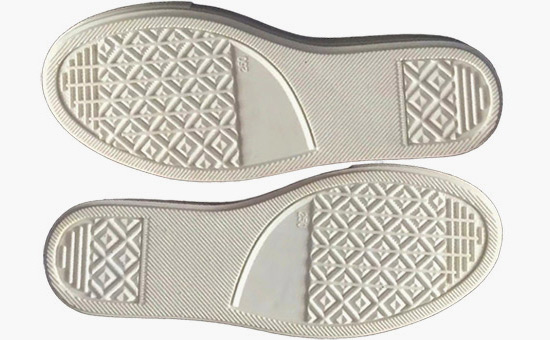
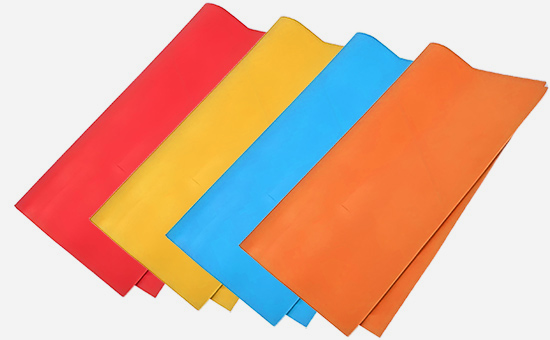
Yellow secondary natural rubber B has a hydrocarbon content above 90% and can replace standard grades 1 and 2 and Vietnam 3L natural rubber. Under the premise of ensuring rubber product quality, it can reduce raw material costs by approximately 25% compared to using standard natural rubber. It is widely used in the production of light-colored natural rubber products such as light-colored conveyor belts, colored rubber sheets, colored rubber hoses, colored inner and outer tires, colored shoe outsoles, athletic shoe outsoles, and colored baby carriage tires.
Exclusive original article [commercial authorization] reprint, excerpt and excerpt in any form are prohibited without written authorization. Focus on Hongyun rubber: learn the process formula and raw material technology of producing rubber products from recycled rubber to help you reduce costs and increase profits