EPDM reclaimed rubber has excellent resistance to high and low temperatures, ozone resistance, and weather resistance. It can be used alone or combined with EPDM rubber and butyl rubber to produce rubber sealing strips, seals, hoses, shock absorbers, etc. Sulfur is the most commonly used vulcanizing agent. When using sulfur vulcanization for EPDM reclaimed rubber products, the amount of sulfur, the type and amount of accelerator will affect the physical and mechanical properties, heat resistance, and processing stability of the finished product.
1. Sulfur addition techniques for sulfur vulcanization systems of EPDM reclaimed rubber products
When using sulfur vulcanization for ethylene diene diem reclaimed rubber products, attention must be paid to the purity, dispersibility, and dosage of sulfur. When sulfur contains a high amount of impurities, the formulation of EPDM reclaimed rubber products needs to appropriately increase the amount of sulfur; If the sulfur particle size is too fine, EPDM reclaimed rubber tends to clump during mixing and is difficult to disperse, leading to issues such as sulfur spraying or local undersulfur; Sulfur has low solubility in EPDM reclaimed rubber, with dosage controlled at 1.5-2.5 parts.
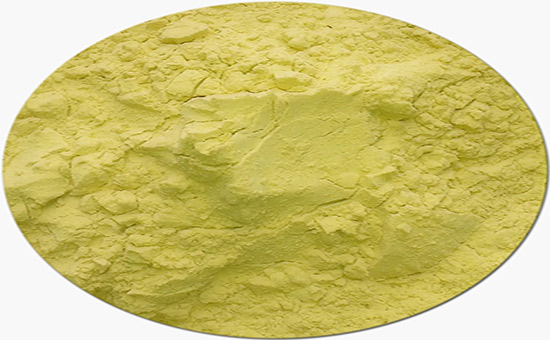
Excessive amounts can lead to precipitation, so insoluble sulfur can be used if necessary.It should be noted that acids delay vulcanization; sulfur should not contain acidic substances, as alkaline substances will accelerate its sulfurization.
2. Selection techniques for sulfur vulcanization system accelerators in EPDM reclaimed rubber products
When producing rubber products using EPDM reclaimed rubber as the main raw material, reasonable selection of accelerators can effectively improve vulcanization speed and crosslinking efficiency. When using sulfur vulcanization in EPDM reclaimed rubber, a single accelerator combined with sulfur can easily cause frost spraying or imbalance in vulcanization speed, so a system combining thiazole, tulam, and sulfonamide accelerators is often used.
Thiazole accelerators are semi-overspeed accelerators with moderate vulcanization rates and are often used together with alkaline accelerators. Common thiazole accelerators for EPDM reclaimed rubber products include M and DM. Tumam accelerators have higher activity E5LYY1224, faster vulcanization speed, and shorter charring times. They are often used together with thiazole and sulfamine accelerators to balance the vulcanization speed and scorching time of reclaimed rubber. Common Tumam accelerators include TMTD and TETD. Sulfonamide accelerators are post-action accelerators characterized by long charring times and good operational safety. Common types include accelerators CBS (CZ), TBBS (NS), DCBS (DZ), and NOBS.
3. Techniques for selecting activators in sulfur vulcanization systems for EPDM reclaimed rubber products
In the sulfur vulcanization system of EPDM reclaimed rubber products, zinc oxide and stearic acid are the most commonly used surfactants, with their synergistic effect significantly accelerating vulcanization and improving the crosslinking degree of reclaimed rubber. The amount of zinc oxide used in EPDM reclaimed rubber products is generally 3-5 parts. It not only speeds up vulcanization and increases crosslinking, but also provides some reinforcement, enhancing the thermal conductivity of the compound and is very beneficial for vulcanizing thick products. The dosage of stearic acid is 1-3 parts, which can enhance the activation ability of metal oxides to promoters, improve the dispersion of rubber fillers such as carbon black, and reduce the phenomenon of rubber roll sticking.
In the sulfur vulcanization system of EPDM reclaimed rubber products, active zinc oxide or nano-zinc oxide can be reduced to 1-3 parts due to small particle size and large specific surface area.
4. Techniques for adding anti-scorch agents to sulfur vulcanization systems in EPDM reclaimed rubber products
The anti-scorch agent CTP can effectively extend the scorching time and improve the storage stability of unvulcanized reclaimed EPDM reclaimed rubber. When sulfur vulcanization systems of EPDM reclaimed rubber use sulfur accelerators, less scorch inhibitors are used; If thiazole or tulum compounds are present, add 0.1-0.5 parts of CTP to improve storage stability.
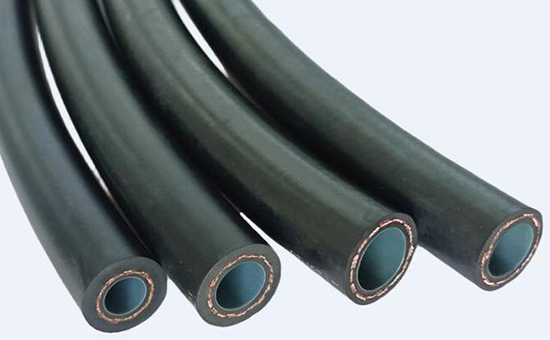
When ESDM reclaimed rubber products are vulcanized with sulfur, the vulcanized rubber exhibits excellent physical and mechanical properties, making it suitable for the production of EPDM reclaimed rubber sealing strips, hoses, and shock absorbers; When used together with sulfan-type or sulfonamide accelerators, the vulcanization rate is moderate, scorching safety is good, and it is suitable for flat, steam, and continuous vulcanization, but vulcanizing adhesives have poor heat resistance; To balance heat resistance and strength in rubber products, it is recommended that EPDM reclaimed rubber manufacturers adopt a sulfur-peroxide combined system.
Exclusive original article [commercial authorization] reprint, excerpt and excerpt in any form are prohibited without written authorization. Focus on Hongyun rubber: learn the process formula and raw material technology of producing rubber products from recycled rubber to help you reduce costs and increase profits