EPDM recycled rubber is made from EPDM scrap from production heads, unvulcanized EPDM rubber, or used EPDM rubber products. It retains the basic properties of original EPDM and can be used alone or mixed with virgin EPDM to produce rubber sealing strips, effectively reducing raw material costs while ensuring product quality. In actual production, the performance requirements of rubber sealing strips vary depending on the application, so the proportion of EPDM recycled rubber used also varies.
1. Tips for using EPDM recycled rubber in building door and window seals
Building door and window seals are exposed to sunlight, rain, and temperature cycles for long periods, requiring good ozone resistance, UV aging resistance, high and low-temperature resistance, and compression recovery. When producing door and window seals with EPDM recycled rubber, you can choose recycled rubber with appropriate specifications based on performance requirements and blend 20-60 parts of recycled rubber with virgin EPDM.
2. Tips for using EPDM recycled rubber in automotive seals
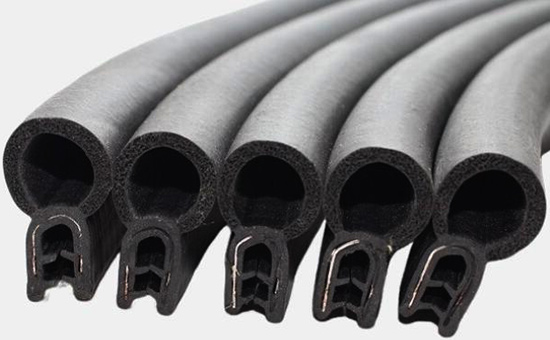
The conditions for automotive seals are more complex than regular building seals. They need to withstand repeated opening and closing of car doors, window lifting, and continuous compression, requiring high heat resistance, ozone resistance, weather resistance, tensile strength, tear strength, resistance to permanent compression set, and fatigue performance. Generally, it is recommended to blend 10-40 parts of EPDM recycled rubber with virgin EPDM and adjust the vulcanization system and reinforcement filler according to the quality of recycled rubber. For primary automotive seals or areas with high dynamic demands, simply increasing the amount of recycled rubber to cut costs is not advisable.
3. Tips for using EPDM recycled rubber in machinery equipment seals
Machinery seals are mainly used for dust and water protection and static sealing, so tensile strength requirements are relatively low. When using EPDM recycled rubber to reduce production costs, the blending amount can be 30-80 parts. For seals subjected to high temperatures, frequent vibrations, or large compressions, it is suggested to slightly reduce the amount of recycled rubber to ensure compression recovery and aging resistance.
4. Tips for using EPDM recycled rubber in curtain wall seals
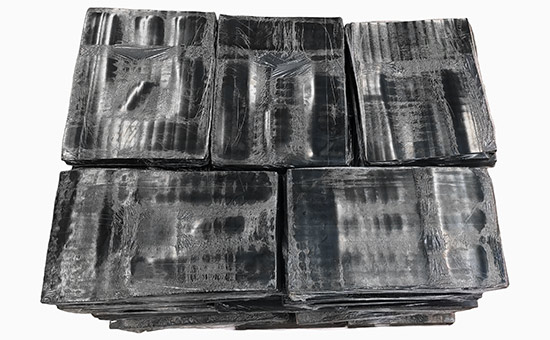
Curtain wall seals require higher weather resistance, dimensional stability, and long-term sealing. The key idea for using recycled rubber is to replace part of virgin EPDM (E6LYY520) to save costs while ensuring weather resistance and elasticity. Use high-tensile strength, properly Mooney-viscosity, impurity-free filtered recycled rubber and keep the blending amount at 20-40 parts. Control the amount of softeners to avoid hardness fluctuations, extrusion expansion issues, or inadequate rebound after long-term compression.
5. Tips for using EPDM recycled rubber in container seals
Container seals are exposed to outdoor conditions, salt, temperature variations, and repeated compression, so resistance to permanent compression set, ozone aging, low-temperature elasticity, tear resistance, and weather resistance is critical, and cost-cutting should not be the only priority. When using EPDM recycled rubber to save costs, blend 30-70 parts with virgin EPDM and adjust the reinforcement system to ensure sealing performance while significantly lowering raw material costs.
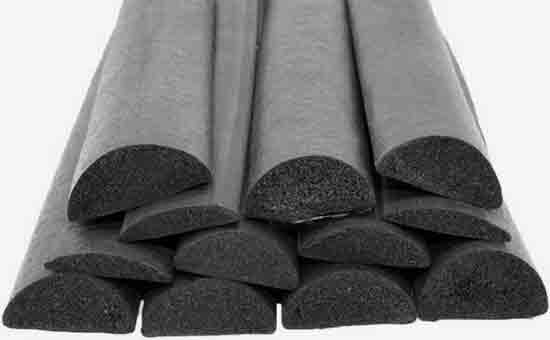
When replacing part of virgin EPDM with recycled EPDM to produce rubber seals, choose appropriate recycled rubber based on actual needs. Premium eco-friendly EPDM recycled rubber is mainly made from EPDM scrap from production heads and offers high and low-temperature resistance, anti-aging, high insulation, ozone resistance, and corrosion resistance. Compared to regular recycled EPDM for seals, it has higher rubber content, is odorless, more elastic, and has a smooth, glossy surface, making it an ideal material for producing extruded EPDM rubber sealing strips to reduce costs.
Exclusive original article [commercial authorization] reprint, excerpt and excerpt in any form are prohibited without written authorization. Focus on Hongyun rubber: learn the process formula and raw material technology of producing rubber products from recycled rubber to help you reduce costs and increase profits