When using recycled rubber as the main raw material to produce rubber products, the appropriate use of anti-aging agents can effectively delay the aging of rubber and extend the service life of rubber products. However, anti-aging agents are not just added; If the anti-aging agent is not used correctly, recycled rubber products are prone to hardening, brittleness, cracking, stickiness, softening and other aging phenomena. When choosing rubber anti-aging agents for recycled rubber products, you need to pay attention to the following issues.
1. The anti-aging system of recycled rubber products needs to use paraffin rationally
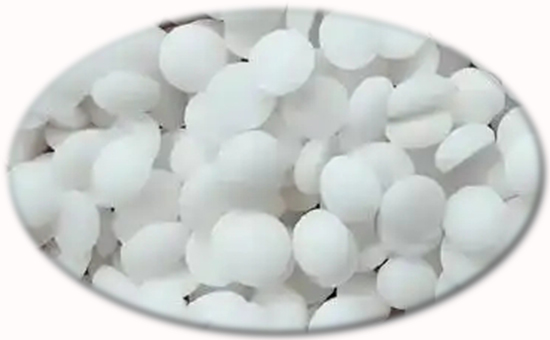
When the solubility of paraffin in the recycled rubber reaches a saturated state, the excess paraffin will gradually migrate to the surface of the rubber product, forming a dense protective film, effectively blocking the attack of ozone on the rubber molecular chain, and playing a role in anti-ozone aging. When using paraffin in the formulation of recycled rubber products, it needs to be adjusted according to the season and temperature: high melting point paraffin should be used in high temperature environments in summer, and low melting point paraffin should be used in cold environments in winter.
2. The anti-aging system of recycled rubber products requires the rational use of the synergy of anti-aging agents
The synergistic effect of rubber anti-aging agents is greater than the sum of the effects of each anti-aging agent alone. Anti-aging agent D and anti-aging agent WSP can produce synergistic effects with anti-aging agent MB, anti-aging agent RD and anti-aging agent 4020 can produce synergistic effects, and anti-aging agent 2246 and anti-aging agent 4010 and anti-aging agent DLTDP can produce synergistic effects in the combined use of DCP vulcanized natural glue/latex recycled glue.
3. Fully understand the protective effects and limitations of amine anti-aging agents and phenolic anti-aging agents
(1) Amine anti-aging agent
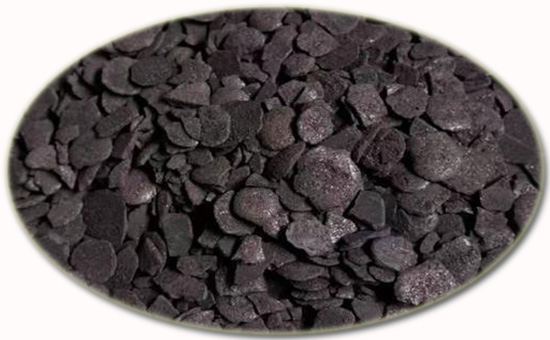
Amine anti-aging agents are the most widely used varieties in the production of recycled rubber products, with high activity and excellent protective effect, commonly used amine anti-aging agents are p-phenylenediamine anti-aging agents 4010NA, 4020, which have a significant protective effect on heat oxygen aging, ozone aging and fatigue aging; RD has excellent protective effect against thermal oxygen aging, but its anti-ozone ability is relatively weak when used alone. Anti-aging agent RD can be used with 4020. It should be noted that 4010NA will discolor and pollute rubber products, and is not suitable for recycled rubber products with color requirements for appearance.
(2) Phenolic anti-aging agents
Phenolic anti-aging agents are non-polluting anti-aging agents, and common products include anti-aging agents 264, SP, 2246, etc., which are especially suitable for light-colored and colored recycled rubber products. It should be noted that E5LYY1128, the protective effectiveness of phenolic anti-aging agents is weaker than that of amine anti-aging agents as a whole, and may not provide sufficient protection in harsh use environments. When using recycled rubber to produce light-colored rubber products, it is recommended to use hindered amine light stabilizers or use them in conjunction with thiodipropionate anti-aging agents.
4. Consider the impact of other compounds on the protective effect of anti-aging agents in recycled rubber products
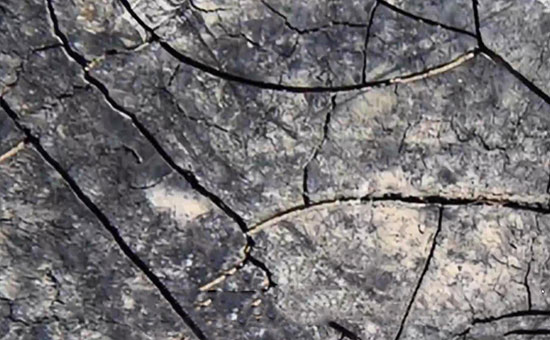
(1) When using recycled rubber to produce rubber products, if the heavy metals in calcium carbonate and terracotta exceed the standard, the recycled rubber products are easy to age and crack, and the anti-aging agent is difficult to exert a protective effect.
(2) The mismatch among the vulcanization system and the use environment will also lead to cracking of recycled rubber products during use. The cross-linked bonds produced by ordinary vulcanization systems are mainly polysulfide bonds, and the fatigue resistance of recycled rubber vulcanized rubber is poor, but the heat aging resistance is relatively good. The cross-linked bonds produced by the effective vulcanization system are mainly single and double sulfide bonds, and the heat aging resistance and fatigue resistance are better. Recycled rubber products need to be used in high-temperature environments, and it is not suitable to choose ordinary sulfur vulcanization system, polysulfur bonds are easy to break under the action of heat, and recycled rubber products are prone to early cracking.
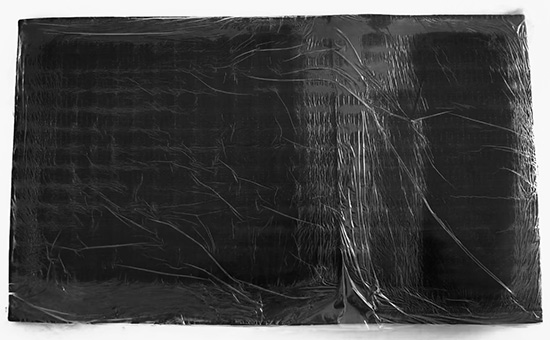
During the processing of recycled rubber products, if the mixing or refining temperature is too high, the anti-aging agent will be consumed in the mixing stage, resulting in a decrease in aging resistance. Therefore, when designing the anti-aging system of recycled rubber products, it is not only necessary to consider the variety and protective effect of anti-aging agents, but also to comprehensively consider the use environment, vulcanization system, reinforcement filling system and processing temperature of recycled rubber products.
Exclusive original article [commercial authorization] reprint, excerpt and excerpt in any form are prohibited without written authorization. Focus on Hongyun rubber: learn the process formula and raw material technology of producing rubber products from recycled rubber to help you reduce costs and increase profits