The vulcanization system of recycled rubber directly affects the performance of both the compounded rubber and the vulcanized rubber. It generally consists of vulcanizers, accelerators, activators, and scorch preventers. Rubber vulcanization systems are mainly divided into sulfur vulcanization systems and non-sulfur vulcanization systems. These two systems differ significantly in terms of vulcanizer composition, applicable rubber types, and crosslinking structures, so it's important to choose appropriately based on the properties of recycled rubber and the requirements of the final product.
1. Different Vulcanizers for Sulfur and Non-Sulfur Systems in Recycled Rubber
A sulfur vulcanization system uses sulfur, selenium, tellurium, or sulfur-containing compounds as the vulcanizer. Non-sulfur systems use vulcanizers other than sulfur or sulfur-containing compounds, including peroxides, metal oxides, resins, amines, and some esters.
2. Different Types of Recycled Rubber Suitable for Sulfur and Non-Sulfur Systems
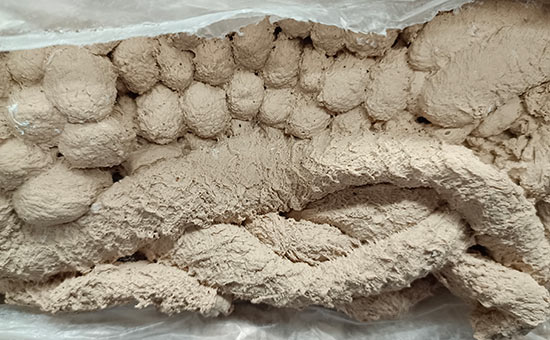
Sulfur systems are mainly suitable for latex recycled rubber, tire recycled rubber, isoprene recycled rubber, nitrile recycled rubber, butadiene recycled rubber, and styrene-butadiene recycled rubber; some EPDM and butyl recycled rubber products can also use sulfur systems, with adjustments made based on remaining unsaturation and formulation conditions.
Non-sulfur systems are mainly suitable for highly saturated rubbers and recycled rubbers, such as EPDM, EPDM recycled rubber, chloroprene rubber, chloroprene recycled rubber, chlorinated butyl rubber, and chlorinated butyl recycled rubber.
3. Crosslink Structures and Vulcanized Rubber Properties for Sulfur vs. Non-Sulfur Systems
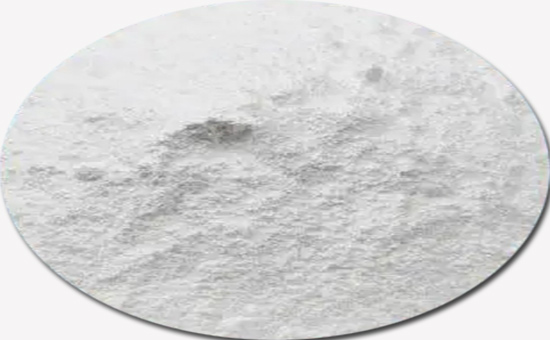
Sulfur systems form crosslinks mainly comprising monosulfide, disulfide, and polysulfide bonds. Different amounts of sulfur and accelerator combinations can change the proportion of crosslinks: polysulfide bonds provide good flexibility, which helps recycled rubber achieve better elasticity and dynamic performance, although thermal stability is relatively lower; monosulfide and disulfide bonds offer better heat resistance.
Non-sulfur systems form crosslinks depending on the vulcanizer, including carbon-carbon bonds, carbon-nitrogen bonds, and metal ion-related structures. Peroxide-cured recycled rubber mostly forms carbon-carbon crosslinks, giving it good heat-aging resistance and compression set properties; metal oxide vulcanization may form ionic crosslinks.
4. How to Properly Choose a Vulcanization System for Recycled Rubber Products
When using recycled rubber to produce rubber products, sulfur systems are commonly used in formulas for latex recycled rubber, tire recycled rubber, and nitrile recycled rubber, providing higher mechanical properties (tensile strength, stress at set elongation, etc.) and good processing adaptability. Non-sulfur systems are mainly used for recycled rubber products requiring heat, aging resistance, or special crosslinks.
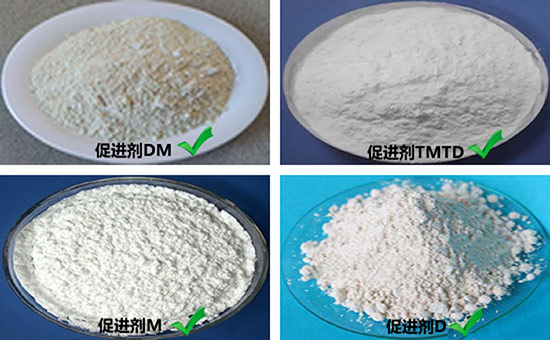
It’s important to note that recycled rubber, as a product of devulcanized waste rubber, may still contain some of the original crosslinks and vulcanization-active components. Adding it to a new formulation can affect curing speed and crosslinking (E6LYY730). Therefore, for formulas using sulfur systems, the ratio of accelerator to sulfur needs to be properly determined; for non-sulfur systems, the compatibility among vulcanizer and recycled rubber should be considered. Once the formula is set, it’s recommended to verify it via vulcanization curves, tensile strength, elongation at break, hardness, and heat-aging tests.
Choosing the proper vulcanization system for recycled rubber products can effectively reduce raw material costs while still meeting processing and functional performance requirements.
Exclusive original article [commercial authorization] reprint, excerpt and excerpt in any form are prohibited without written authorization. Focus on Hongyun rubber: learn the process formula and raw material technology of producing rubber products from recycled rubber to help you reduce costs and increase profits