Using tire rubber powder together with natural rubber is a common way to reduce the raw material cost of rubber products and improve the utilization of waste tires. Many manufacturers face this problem: the more tire rubber powder you add, the lower the cost, but the tensile strength and elongation at break of the vulcanized rubber decline. Why is that? Even with the same tire rubber powder, different particle sizes can lead to significantly different performance when mixed with natural rubber. So, when using tire rubber powder/natural rubber together, what factors influence the performance?
1. The amount of rubber powder affects the performance of tire rubber powder/natural rubber blends
Tire rubber powder is made from the rubber part of waste tires, processed mechanically by crushing or grinding into powders of different sizes. Its main components are natural rubber, styrene-butadiene rubber, and carbon black E6LYY417, which have good wear resistance. When using a mix of tire rubber powder and natural rubber, as the amount of powder increases, the proportion of wear-resistant styrene-butadiene rubber and carbon black also goes up. The 100% modulus tends to increase, and the wear resistance of the mixed rubber gradually improves.
However, more is not always better. Untreated tire rubber powder has already been vulcanized, and the rubber phase in the powder still has a certain crosslinked structure. Adding it to a natural rubber system is not the same as adding fresh rubber to vulcanization. As the amount of tire rubber powder increases, the proportion of the continuous natural rubber phase decreases, which affects the formation of a new vulcanization network, so tensile strength and elongation at break generally decrease.
2. The particle size of rubber powder affects the performance of tire rubber powder/natural rubber blends
During production, the smaller the particle size of tire rubber powder, the greater the shear force from mechanical processing, causing more chain scission. This makes it easier to vulcanize when combined with a natural rubber matrix. Therefore, the smaller the rubber powder particles, the better the wear resistance, tensile strength, and elongation at break of the blend. But note, the smaller the particle size, the lower the 100% modulus of the vulcanized blend.
3. Key points for mixing tire rubber powder/natural rubber blends
In production, tire rubber powder can easily form local clusters. If mixing time is insufficient and the powder is unevenly dispersed, stress concentration points can form inside the vulcanized tire rubber powder/natural rubber blend, and damage is likely to occur around these clusters during stretching. This problem is especially noticeable when adding a lot of powder, so you can’t just follow the methods used for pure natural rubber. It's recommended to reasonably control mixing temperature, shear rate, and discharge time based on equipment capability to fully disperse the tire rubber powder while avoiding overly high temperatures that could degrade the natural rubber or cause scorching.
For very fine tire rubber powder, attention should also be paid to its oil absorption, structural state, and carbon black content, as these can affect the Mooney viscosity and vulcanization rate of tire rubber powder/natural rubber blends.
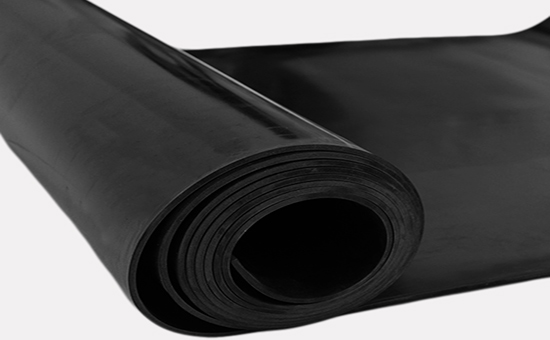
When making rubber products primarily from natural rubber, and where high strength and maximum stretch aren't super critical—like rubber sheets, mats, casters, and seals—you can adjust the ratio of tire rubber powder to natural rubber. For products that need better stretch, surface quality, and wear resistance, it's better to go with finer tire rubber powder and tweak the mixing process to strike a good balance among cost and performance.
Exclusive original article [commercial authorization] reprint, excerpt and excerpt in any form are prohibited without written authorization. Focus on Hongyun rubber: learn the process formula and raw material technology of producing rubber products from recycled rubber to help you reduce costs and increase profits