The tire recycled rubber made by crushing, desulfurization, refining and other processes of waste tires has the basic performance characteristics of rubber, low price, and can effectively reduce the cost of raw materials in the production of rubber products. Rubber sheets are processed from natural rubber, synthetic rubber and combined rubber as raw materials, according to the use can be divided into ordinary rubber board, acid and alkali resistant rubber board, oil resistant rubber board, heat-resistant rubber board, wear-resistant rubber board, etc., which rubber board can use recycled rubber?
1. Ordinary rubber plates are heavily mixed with tire recycled glue
Ordinary rubber board has good elasticity, wear resistance and tear resistance, generally processed from natural rubber, styrene-butadiene rubber, butadiene rubber as raw materials, low physical and mechanical performance requirements, no special performance requirements, can be mixed with a large number of tire recycled rubber, effectively reduce the cost of raw materials.
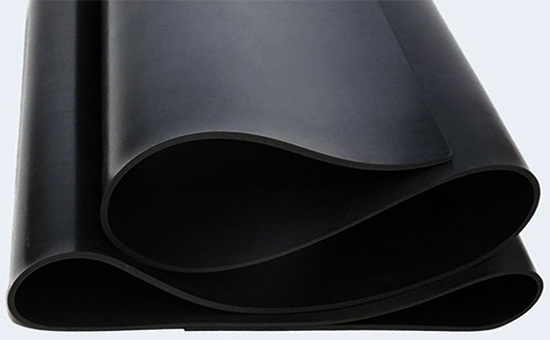
Natural rubber/tire recycled rubber combined to produce ordinary rubber plate vulcanization formula: natural rubber 50 parts, tire recycled rubber 50 parts, zinc oxide 3 parts, stearic acid 1 part D, light calcium carbonate 35 parts, heavy calcium carbonate 35 parts, carbon black N774 15 parts, engine oil 3 parts, pine tar 7 parts, accelerator DM 0.8 parts, accelerator M 0.4 parts, accelerator TMTD 0.15 parts, sulfur 1.25 parts; Total 202.6 copies.
2. Oil-resistant rubber board is mixed with tire recycled rubber in small amounts
Oil-resistant rubber plates are in long-term contact with oily substances, generally processed with oil-resistant nitrile rubber as the main raw material, which can be used for a long time in oil media and is not easy to swell. Tire recycled rubber has the basic elasticity and strength of rubber, and can be used in conjunction with nitrile rubber to produce oil-resistant rubber plates. In actual production, tire recycled rubber is basically not oil-resistant, and it is necessary to strictly control the amount of recycled rubber when using it together with nitrile original rubber to produce oil-resistant rubber plates to avoid excessive tire recycling rubber and shorten the life of oil-resistant rubber plates.
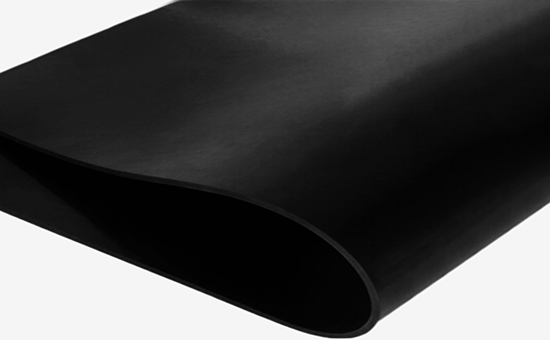
Nitrile rubber/tire recycled rubber combined with the production of oil-resistant rubber plate vulcanization formula: 70 parts of nitrile rubber, 30 parts of tire tread recycled rubber,
3.5 parts of zinc oxide, 1 part of anti-aging agent D, 35 parts of carbon black N774, 25 parts of terracotta, 25 parts of dibutyl phthalate, 0.2 parts of accelerator DM, 0.65 parts of accelerator M, 1.65 parts of sulfur; A total of 192 copies.
3. Acid and alkali resistant rubber plate mixed with tire recycling rubber
The acid and alkali resistance of the rubber plate mainly depends on the performance of the rubber itself, and natural rubber can be used in an appropriate ratio with tire recycled rubber to produce ordinary acid and alkali resistant rubber plates to reduce the cost of raw materials. In the production of natural rubber/tire recycled rubber acid and alkali resistant rubber plates, it is recommended to use chemically inert substances to fill them, such as terracotta, barium sulfate, talc, diatomaceous earth, etc.; In the formulation of acid-resistant adhesives, fillers containing silica, phenol resin and talcum powder should not be used.
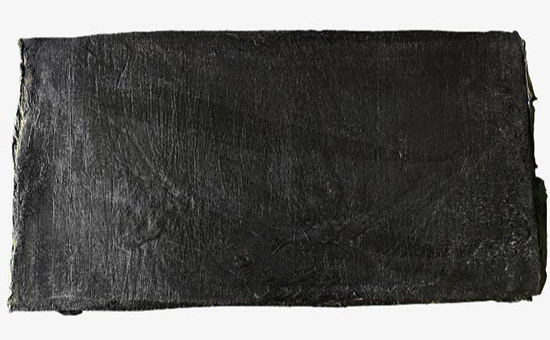
50 parts of natural rubber, 50 parts of tire tread recycled rubber, 4 parts of zinc oxide, 1.35 parts of stearic acid, 1 part of anti-aging agent D, 2.5 parts of paraffin, 20 parts of carbon black N330, 115 parts of barite powder, 4 parts of black ointment, 0.25 parts of accelerator D, 0.35 parts of accelerator M, 0.05 parts of accelerator TMTD, 1.5 parts of sulfur; A total of 250 copies.
In actual production, tire recycled rubber can also be used in the production of conductive rubber board and sponge rubber board, and the proportion of tire recycled rubber is reasonably controlled, which can effectively reduce the cost of raw materials and production energy consumption under the premise of ensuring the performance of the finished rubber board.
Exclusive original article [commercial authorization] reprint, excerpt and excerpt in any form are prohibited without written authorization. Focus on Hongyun rubber: learn the process formula and raw material technology of producing rubber products from recycled rubber to help you reduce costs and increase profits