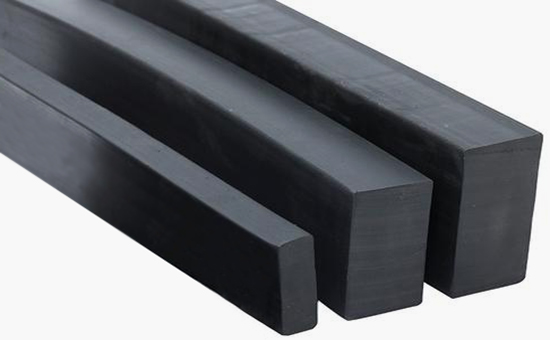
Tire recycled rubber is made from waste tire rubber powder, with main components being natural rubber, styrene-butadiene rubber, and carbon black. It has good mechanical strength, tactile elasticity, and wear resistance, meeting the basic performance requirements of rubber sealing strips. It can be used alone or combined with natural rubber and styrene-butadiene rubber to produce low-cost rubber sealing strips, effectively reducing raw material costs. What issues should be noted when using tire recycled rubber to produce rubber sealing strips?
1. Tips for choosing tire recycled rubber for rubber sealing strips
When producing low-cost rubber sealing strips using tire recycled rubber, it is recommended to choose ultrafine tire recycled rubber, which has high fineness and is free of impurities, allowing fast extrusion and good appearance of the sealing strips. For sealing strips with higher mechanical strength requirements, tire tread ultrafine recycled rubber can be used, and if necessary, it can be combined with an appropriate amount of natural rubber or butadiene rubber to further improve the overall performance of the rubber sealing strips. The proportion of tire recycled rubber in rubber sealing strips should be determined according to actual needs. In high-performance rubber sealing strips, the proportion of recycled rubber is generally 10%-30%, in mid-range sealing strips 40%-70% recycled rubber can be used, and ordinary solid sealing strips can be made entirely with recycled rubber.
2. Key points for formulating formulas for rubber sealing strips with tire recycled rubber
When producing rubber sealing strips mainly from tire recycled rubber, a conventional sulfur vulcanization system is often used, with accelerators D/DM/M/TMTD combined with sulfur to ensure full vulcanization of the compound E5LYY1030. For reinforcement and filler systems, it is recommended to use carbon black, clay, calcium carbonate, etc., which improve the mechanical strength of recycled rubber sealing strips while enhancing dimensional stability, heat resistance, and weather resistance; softening agents such as machine oil or industrial grease can be used to further increase compound flowability; chemical anti-aging agents such as antioxidant A combined with physical anti-aging agents like paraffin can extend the service life of tire recycled rubber sealing strips.
3. Key points for mixing process of rubber sealing strips with tire recycled rubber
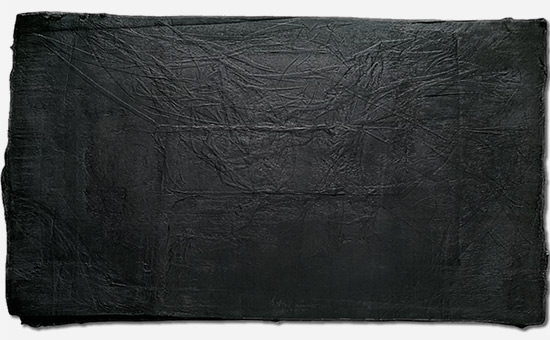
The production of rubber sealing strips with tire recycled rubber can use staged mixing. The first stage is in a kneader, adding tire recycled rubber/raw rubber, reinforcement fillers, plasticizers, anti-aging agents, etc., with temperature controlled at 80-110°C for 5-10 minutes. The second stage is in an open mill, adding the vulcanization system, with roll temperature controlled at 40-70°C to ensure uniform dispersion of vulcanizing agents and accelerators, avoiding premature decomposition of the curing agent.
After mixing, the tire recycled rubber sheet is cooled, left for 8-12 hours before extrusion, effectively preventing dimensional deformation caused by uneven stress in the rubber.
4. Key points for vulcanization process of rubber sealing strips with tire recycled rubber
When producing low-cost rubber sealing strips with a high use of tire recycled rubber, the vulcanization conditions need to consider the vulcanization characteristics of recycled rubber and the thickness of the sealing strip. During extrusion of tire recycled rubber sealing strips, the barrel temperature and screw speed must be strictly controlled to ensure good flow and stable shape of the compound; the extrusion speed of recycled rubber sealing strips should match the vulcanization speed so that the extruded semi-finished product can promptly enter the continuous vulcanization equipment for curing.
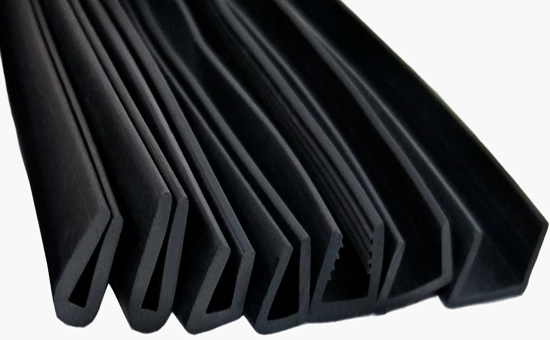
When producing low-cost rubber sealing strips primarily from tire recycled rubber, rubber product manufacturers must choose recycled rubber with appropriate specifications according to actual needs, reasonably determine the proportion of recycled rubber, and properly adjust the rubber sealing strip formulas and production process parameters. Later, we will share vulcanization formulas for rubber sealing strips with a high proportion of tire recycled rubber.
Exclusive original article [commercial authorization] reprint, excerpt and excerpt in any form are prohibited without written authorization. Focus on Hongyun rubber: learn the process formula and raw material technology of producing rubber products from recycled rubber to help you reduce costs and increase profits