The tire recycled rubber processed from waste tire rubber powder has good elasticity and mechanical strength, the price is much lower than the original rubber, and it has good compatibility with natural rubber, styrene-butadiene rubber and butadiene rubber, and can be used alone or in combination with general rubber to produce rubber products, effectively reducing the cost of raw materials. Rubber waterproof membrane has excellent elasticity and aging resistance, and is widely used in various waterproofing projects. Can tire recycled rubber be used in the production of waterproofing membranes? How to use better? What problems should be paid attention to in the production of waterproof membrane from tire recycled rubber?
1. Can tire recycled rubber produce waterproof membranes?
Tire recycled rubber is processed from waste tire rubber powder through desulfurization, filtration, refining and other processes, the main components are natural rubber, synthetic rubber and carbon black, with good elasticity, wear resistance E5LYY116 and aging resistance, low price and easy processing; Waterproof membrane requires the rubber to have certain mechanical strength, elongation, tear resistance and flexibility, and can resist water infiltration and penetration; Tire recycled rubber can meet the basic performance needs of waterproof membranes, so it can be used in the production of waterproof membranes to reduce raw material costs.
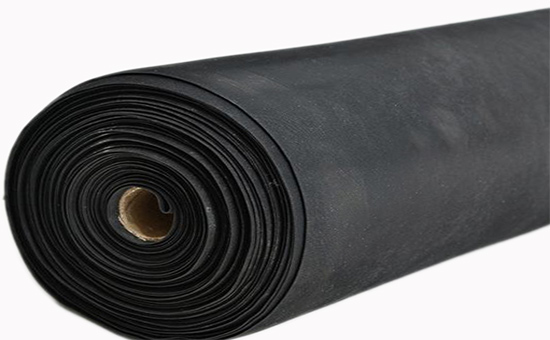
2. The application of tire recycled rubber in waterproof membranes
The rational use of tire recycled rubber in rubber waterproof membranes can effectively reduce production costs under the premise of ensuring the performance of waterproof membranes, and is widely used in waterproof projects such as building walls, roofs, tunnels, and highways.
There are four main applications of tire recycled rubber in waterproof membranes: (1) using tire recycled rubber alone to produce waterproof membranes; (2) Tire recycled rubber is used in conjunction with styrene-butadiene rubber, neoprene, etc. to produce vulcanized waterproof membranes; (3) Tire recycled rubber is blended with asphalt for the preparation of non-vulcanized waterproof membrane to further reduce costs; (4) Tire recycled rubber and PVC blend to prepare economical waterproof membrane, with good performance and low cost.
3. Precautions for the production of waterproof membrane with tire recycled rubber
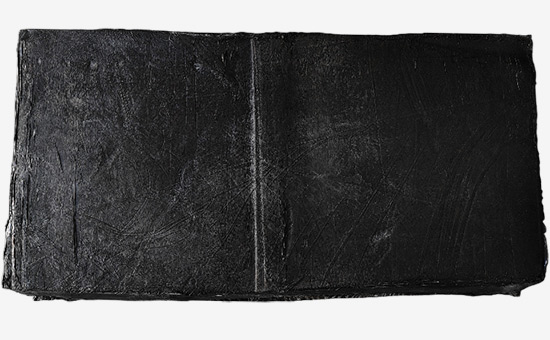
(1) Key points for the selection of raw materials for the production of waterproof membrane with tire recycled rubber
When using tire recycled rubber for high-performance waterproof membranes, the ultra-fine tire top recycled rubber is preferred, with high fineness and no impurities, and the mechanical strength, density and waterproof properties of the waterproof membrane are better, and can be used in conjunction with other rubbers when necessary; low-grade waterproof membrane can choose ordinary tire recycled glue, which is cheaper.
(2) Balance the performance of tire recycled rubber/PVC blended waterproof membrane
When the tire recycled rubber and PVC are blended to prepare waterproof membranes, the increase of PVC content will increase the strength but reduce the elongation, and the mixing ratio of the two needs needs to be adjusted according to the actual needs of the waterproof membrane. The appropriate use of plasticizer DOP can improve the flexibility of the waterproof membrane.
(3) Key points of the production process of waterproof membrane for tire recycled adhesive
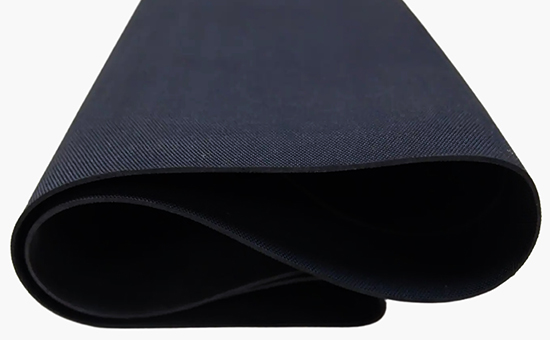
When tire recycled rubber produces waterproof membranes, it is necessary to ensure that the recycled rubber is evenly mixed with various compounds; Strictly control the mixing temperature to avoid scorching the rubber due to excessive temperature; When tire recycled rubber is blended with asphalt and PVC, control the blending temperature and time, generally at 160-180°C, to ensure good compatibility of each phase and avoid delamination; When the tire recycled rubber waterproof membrane is calendered or extrusion, the thickness uniformity is controlled, the vulcanization temperature, pressure and time are controlled to prevent undersulfur and oversulfur.
The rational use of tire recycled rubber in waterproof membranes can reduce raw material costs and production energy consumption under the premise of ensuring the performance of waterproof membranes. When using tire recycled rubber to produce waterproof membranes, we must reasonably design the rubber formula, strictly control the production process, especially the compounding process and vulcanization process, and later share with you the formula of tire recycled rubber to produce vulcanized waterproof membranes, non-vulcanized waterproof membranes and rubber-plastic blended waterproof membranes.
Exclusive original article [commercial authorization] reprint, excerpt and excerpt in any form are prohibited without written authorization. Focus on Hongyun rubber: learn the process formula and raw material technology of producing rubber products from recycled rubber to help you reduce costs and increase profits