Soccer shoe rubber soles are mainly divided into midsoles, outsoles, and stud patterns, featuring grip, acceleration, directional control, shock absorption, and stability. In actual production, rubber midsoles and black outsoles of soccer shoes can use tire recycled rubber as needed to reduce raw material costs. Different parts of the soccer shoe sole have different performance requirements: outsoles need high abrasion resistance, tensile strength, tear strength, and low permanent deformation, while foam midsoles focus on foaming ratio, pore uniformity, hardness, and rebound. As a result, the ratio and formula for using recycled tire rubber vary a lot.
1. Performance analysis of soccer shoe rubber outsoles and foam midsoles
The outsole of a soccer shoe directly contacts the ground, with key requirements of grip, release, torsional resistance, wear resistance, and lightweight. The rubber used must have strong abrasion and tear resistance; it is recommended to use high-strength tire recycled rubber E6LYY721. The foam midsole mainly handles cushioning, rebound, compression durability, fitting support, and lightweight needs. Its strength requirements are lower, so it can contain a high proportion of tire recycled rubber. Foaming must be even, so it’s recommended to use recycled rubber with low impurities to ensure smooth foaming.
2. Reference formulas for adding tire recycled rubber to black rubber outsoles of soccer shoes
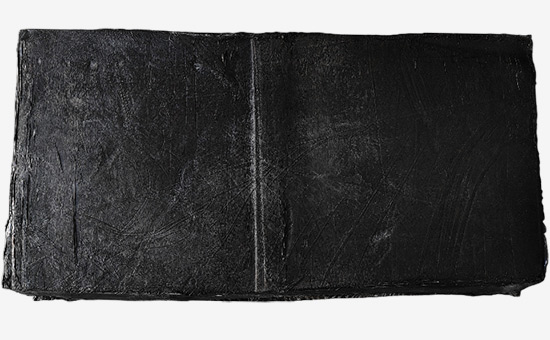
Blend 1: Natural rubber 40 parts, styrene-butadiene rubber 15 parts, polybutadiene 20 parts, tire tread recycled rubber 25 parts, zinc oxide 5 parts, stearic acid 3 parts, antioxidant A 0.5 parts, antioxidant D 0.5 parts, carbon black N330 45 parts, clay 8 parts, gum rosin 8 parts, machine oil 6 parts, calcium-based grease 4 parts, accelerator M 1.15 parts, accelerator D 0.75 parts, accelerator CZ 0.75 parts, sulfur 1.75 parts; total 184.4 parts.
Blend 2: Natural rubber 5 parts, polybutadiene 60 parts, tire recycled rubber 35 parts, zinc oxide 5 parts, stearic acid 2.5 parts, antioxidant A 0.5 parts, antioxidant D 0.5 parts, carbon black N330 48 parts, gum rosin 10 parts, machine oil 8 parts, accelerator M 0.35 parts, accelerator D 0.35 parts, accelerator CZ 0.6 parts, sulfur 1.5 parts; total 177.3 parts.
3. Reference formulas for adding tire recycled rubber to foam midsoles of soccer shoes
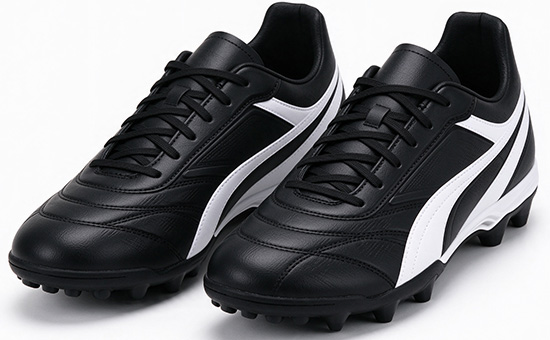
Natural rubber 10 parts, tire recycled rubber 90 parts, zinc oxide 2 parts, stearic acid 3 parts, antioxidant D 1 part, clay 25 parts, light calcium carbonate 12 parts, black oil paste 14 parts, machine oil 5 parts, pine tar 2 parts, foaming agent H 2.5 parts, baking soda 5 parts, alum 4.5 parts, accelerator M 0.5 parts, accelerator DM 1 part, accelerator D 0.5 parts, sulfur 2.3 parts; total 180.3 parts.
When using tire recycled rubber to reduce the production cost of soccer shoe rubber soles, indicators such as effective rubber hydrocarbon content, Mooney viscosity, fineness, and heat loss of the recycled rubber will affect the processing performance of the rubber. Rubber product manufacturers need to adjust the amount of raw materials, recycled rubber, fillers, and vulcanization system according to rubber vulcanization characteristics, density, and final product physical properties. It’s important to note that batch variations in tire recycled rubber directly affect processing stability and product consistency. It is recommended to sample-test each batch of recycled rubber and run small mix trials before mass production, scaling up only after confirming quality.
Exclusive original article [commercial authorization] reprint, excerpt and excerpt in any form are prohibited without written authorization. Focus on Hongyun rubber: learn the process formula and raw material technology of producing rubber products from recycled rubber to help you reduce costs and increase profits