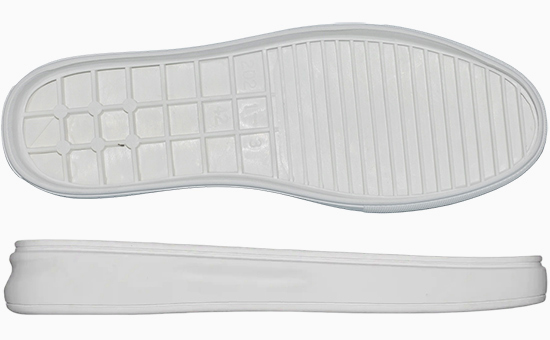
Rubber outsoles require high elasticity, wear resistance, flexural resistance, slip resistance, and tensile strength of the rubber material, and are generally made mainly from natural rubber, styrene-butadiene rubber, and polybutadiene rubber. As the prices of natural and synthetic rubber fluctuate intensely, more and more rubber sole manufacturers are turning their attention to natural latex reclaimed rubber. Can latex reclaimed rubber be used to produce rubber soles? What are the advantages of using latex reclaimed rubber for rubber soles? Which rubber outsoles can use latex reclaimed rubber to reduce costs?
1. Feasibility analysis of reducing costs by blending latex reclaimed rubber into rubber soles
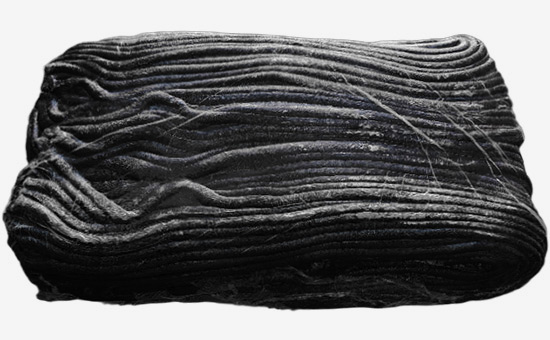
Latex reclaimed rubber is made from waste natural rubber, waste latex, and their products as raw materials. Its main component is rubber hydrocarbons, retaining the basic properties of natural rubber. It has high strength, good elasticity, low specific gravity, and good compatibility with natural rubber, styrene-butadiene rubber, and cis-butadiene rubber. It can participate again in vulcanization cross-linking to form a stable network structure, meeting the key physical property requirements of rubber soles for rubber materials. It can be used in the production of rubber shoe soles to reduce costs.
2. What are the advantages of producing rubber outsoles from latex reclaimed rubber?
(1) Latex reclaimed rubber reduces production costs of rubber outsoles: The market price of latex reclaimed rubber is much lower than that of natural or synthetic rubber. By replacing part of the raw rubber in a suitable proportion to produce rubber soles, raw material costs can be effectively reduced.
(2) Latex reclaimed rubber improves rubber sole processing technology: latex reclaimed rubber has moldability, good flowability, low mixing power consumption, minimal expansion and contraction of unvulcanized rubber, and minimal vulcanization and reversion. Mixing latex reclaimed rubber into rubber soles can effectively improve the compound mixing and vulcanization process, increase the dimensional and shape stability of rubber soles, and reduce vulcanization and reversion.
(3) Latex reclaimed rubber enhances the aging resistance of rubber soles: During processing, latex reclaimed rubber undergoes vulcanization and mechanical treatment, and the rubber hydrocarbons have stabilized. Combining it with natural rubber to produce rubber soles can further improve the sole's aging resistance and extend its service life.
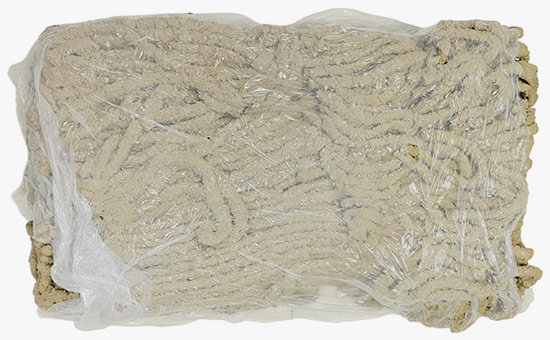
(4) Latex reclaimed rubber can produce rubber bases of different colors: Latex reclaimed rubber on the market can be divided by color into white latex reclaimed rubber, black latex reclaimed rubber E6LYY116 and colored latex reclaimed rubber. White latex reclaimed rubber is easy to match colors and resists discoloration, and can be used to produce light-colored and colored rubber soles; Black latex reclaimed rubber is cheaper than white latex reclaimed rubber with the same specifications, offering better cost performance for producing black rubber outsoles.
3. Which rubber outsoles can use latex reclaimed rubber to reduce costs?
(1) Molded rubber soles: Molded rubber soles made mainly from natural rubber/styrene-butadiene rubber can be appropriately blended with latex reclaimed rubber in molded soles such as rubber shoes, liberation shoes, leather shoes, casual shoes, and labor protection shoes, effectively reducing raw material costs while ensuring tensile strength, hardness, and wear resistance.
(2) Rubber sports sole: When producing basketball shoes, running shoes, and other sports soles using natural rubber, styrene-butadiene rubber, or styrene-butadiene rubber together, reasonably using high-content latex reclaimed rubber can reduce production costs while balancing shock absorption, resilience, and wear resistance of rubber soles.
(3) Sponge rubber outsoles: latex reclaimed rubber can be combined with natural rubber, styrene-butadiene rubber, or high-styrene to produce sponge rubber soles or rubber-plastic micro-porous soles, resulting in lightweight, soft hand feel, and significant shock absorption; When producing sponge foam rubber soles from latex reclaimed rubber, the foaming system is generally a combination of foaming agent H and sodium bicarbonate.
In the context of soaring prices for natural rubber and synthetic rubber, the reasonable use of reclaimed rubber in rubber sole production can not only reduce raw material costs but also improve the processing performance of rubber materials and the aging resistance of finished products. In the future, we will share with you the key points and practical reference formulas for different varieties of rubber sole production in latex reclaimed rubber.
Exclusive original article [commercial authorization] reprint, excerpt and excerpt in any form are prohibited without written authorization. Focus on Hongyun rubber: learn the process formula and raw material technology of producing rubber products from recycled rubber to help you reduce costs and increase profits