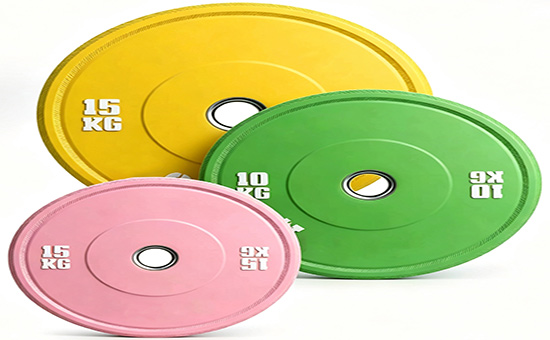
Weight plates are the core component of strength training in the fitness equipment manufacturing industry, and the choice of materials directly affects product performance and cost. Rubber weight plates can be divided into solid rubber plates and coated rubber plates, which have advantages such as silent operation, shock absorption, anti-slip, and durability, usually made primarily from natural rubber. Due to stricter environmental policies and fluctuations in natural rubber prices, more and more weight plate manufacturers are starting to use recycled latex rubber. Why is that? And what should be paid attention to when producing rubber weight plates with recycled latex rubber?
1. Advantages of using recycled latex rubber in weight plates
Recycled latex rubber is made from waste natural rubber, waste latex, and its products, processed through crushing, desulfurization, and refining. It retains the basic performance characteristics of natural rubber—high strength, good elasticity, low density, and good flow. Replacing all or part of the natural rubber with recycled latex in weight plate production can not only reduce raw material costs but also improve processing performance, lower energy consumption, enhance dimensional stability of finished products, and reduce vulcanization reversion.
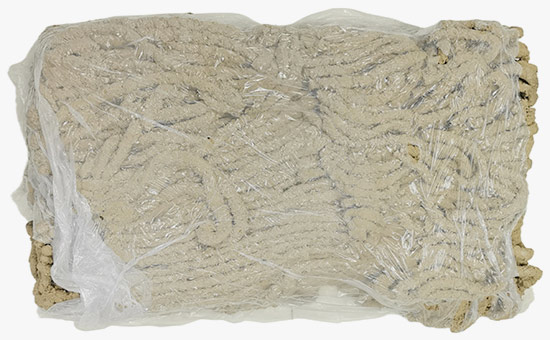
2. Tips for choosing recycled latex rubber for weight plates
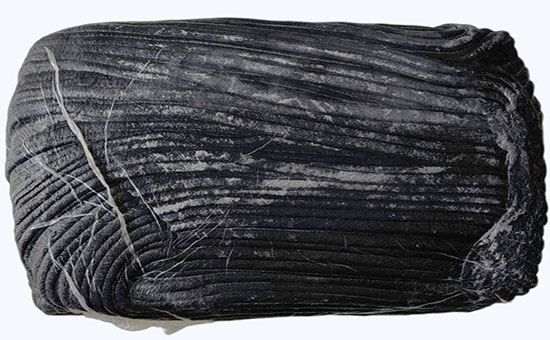
For rubber weights primarily made of natural rubber, when selecting recycled latex rubber: for light-colored or colored plates, white recycled latex is recommended because it’s light, easy to color-match, and not prone to discoloration; for dark or black plates, black recycled latex is more cost-effective. If the plates require no impurities, choose recycled latex filtered to 60-80 mesh. For environmentally friendly plates, opt for EU RoHS-certified natural recycled latex, which is odorless and free of harmful substances.
3. Key points for formulating weight plates with recycled latex rubber
(1) Proportion of recycled latex rubber
When using recycled latex to reduce production costs, the proportion should be determined based on the rubber content, tensile strength of the recycled latex, and the specific property requirements of the weight plates. High-performance plates can use 20%-30% recycled latex, while low-cost plates can use over 50%. When necessary, tire recycled rubber can be added to further reduce raw material costs.
(2) Choosing additives when using recycled latex rubber in weight plates
When using recycled latex, the type and amount of additives in the formula need adjustment.
In the vulcanization system, adding recycled latex consumes some curing agents, so the amount of sulfur and accelerators can be increased by 5%-15%. Using a semi-efficient vulcanization system can enhance crosslink density, improve aging and deformation resistance, and prevent delamination or cracking during long-term use. For reinforcement and filler systems, priority should be given to inert fillers like light calcium carbonate or clay to maintain elasticity while improving molding stability. Small amounts of high-abrasion carbon black can increase surface wear resistance and extend service life. When making light-colored or colored plates, pay attention to contaminating additives, especially rubber softeners.
4. Key points in the production process of weight plates using recycled latex rubber
(1) Rubber compounding process: Allow recycled latex to sit for 7-15 days to restore plasticity without plasticizing; mix natural rubber with recycled latex at low speed after plasticizing, add carbon black/fillers in stages, and finally add the vulcanization system, keeping the temperature at 100-110°C to avoid scorching.
(2) Vulcanization process: When using both recycled latex and natural rubber, mold at 150-160°C and 15-20 MPa, with 10mm thickness plates cured for about 10 minutes; thicker plates may need longer or a second vulcanization (80°C × 2 hours) to prevent undercured centers. Mix rubber compounds must mature for 12-24 hours to prevent sticking to rolls or air bubbles.
When producing rubber weight plates with recycled latex, selecting recycled latex with suitable properties, determining the correct proportion, and properly adjusting formulas and processing parameters can balance cost and quality. To avoid batch-to-batch variation, key metrics like Mooney viscosity, tensile strength, and ash content must be strictly tested. During summer storage, high temperature and humidity should be avoided to prevent premature aging of recycled latex.
Exclusive original article [commercial authorization] reprint, excerpt and excerpt in any form are prohibited without written authorization. Focus on Hongyun rubber: learn the process formula and raw material technology of producing rubber products from recycled rubber to help you reduce costs and increase profits