Natural rubber has excellent elasticity, tensile strength, wear resistance, and processing properties, and is widely used in the production of tires, hoses, conveyor belts, seals, shock absorbers, and various daily-use rubber products. With the continuous development of the reclaimed rubber industry and intensifying market competition, the low-cost latex reclaimed rubber has become the ideal choice for many companies. Currently, most natural rubber product manufacturers incorporate latex reclaimed rubber into their formulations. Why is that? Is it just about cutting costs and replacing them?
1. Why latex reclaimed rubber can replace natural rubber
Natural latex reclaimed rubber is made from waste natural rubber, waste latex, and their products such as waste rubber cups, latex gloves, and latex finger sleeves. It is produced through processes such as sorting, crushing, desulfurization, filtration, and refining. It possesses the basic properties of natural rubber: high strength, good elasticity, low specific gravity, and good compatibility with natural rubber. Its price is much lower than that of natural rubber, making it an ideal raw material to replace natural rubber products and reduce costs.
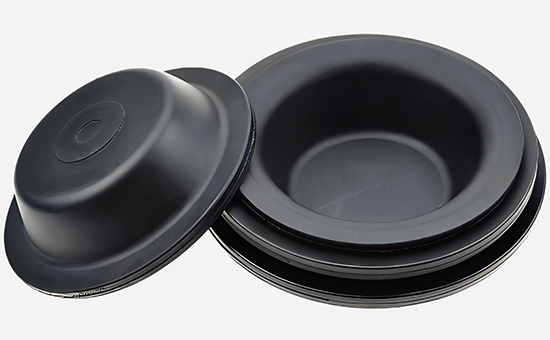
Latex reclaimed rubber on the market can be classified by color into white latex reclaimed rubber, black latex reclaimed rubber, colored latex reclaimed rubber, etc. By fineness, it can be divided into fine latex reclaimed rubber and ultrafine filtered latex reclaimed rubber. By environmental protection level, it can be divided into eco-friendly latex reclaimed rubber and odorless natural reclaimed rubber. These can meet the appearance and physical and mechanical performance requirements of different types of natural rubber products, so latex reclaimed rubber can replace natural rubber.
2. Latex reclaimed rubber can reduce the cost of natural rubber products
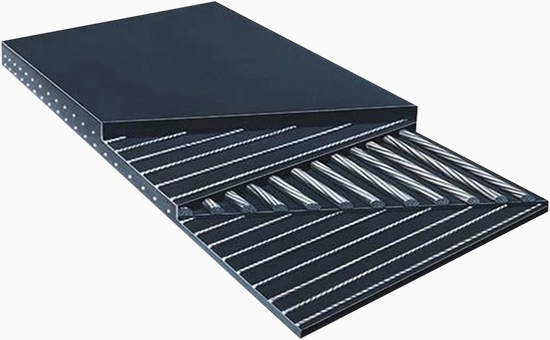
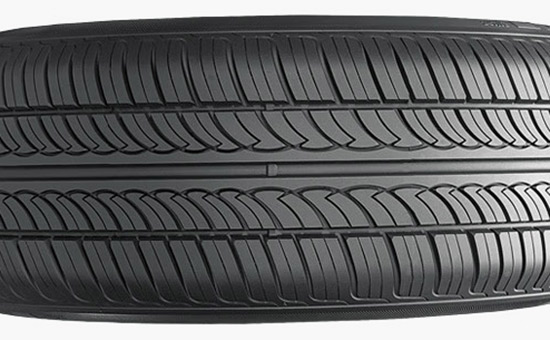
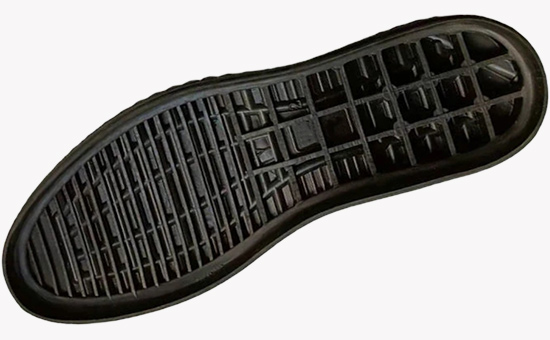
The most direct advantage of blending latex reclaimed rubber in the production of natural rubber products is that it can reduce raw material costs. As a strategic material, natural rubber is not only expensive, but also highly susceptible to climate E5LYY1210 at its place of origin, geopolitics, and speculation in the futures market, with huge fluctuations. The price of latex reclaimed rubber is 30%-50% of that of natural rubber, and the price trend remains stable. Therefore, blending latex reclaimed rubber into products such as tires, tubing, rubber sheets, and rubber shoe soles not only reduces raw material costs but also stabilizes costs.
Compared to natural rubber, latex reclaimed rubber has a larger supply volume and shorter procurement cycles, effectively alleviating capital pressure caused by fluctuations in natural rubber inventory.
3. Latex reclaimed rubber can improve the processing technology of natural rubber
Natural rubber has a wide molecular weight distribution, relatively high hardness, and poor plasticity. In open mills or internal mixers, heat generation can easily cause "sticky rolls." During mixing, additives are unevenly dispersed, extrusion molding often results in rough surfaces and dimensional deviations, vulcanization rates are hard to control, revert to original form, and are prone to defective products.
During processing, latex reclaimed rubber undergoes intense processes such as vulcanization, mixing, and oxidation. The molecular chains are moderately degraded, Mooney viscosity is low, and it has good flowability, excellent plasticity, good dimensional stability, and minimal vulcanization reversion. Adding latex reclaimed rubber to natural rubber products can significantly improve the flow and plasticity of the compound, reduce mixing power consumption, evenly disperse additives, facilitate smoother rolling and extrusion molding, achieve higher surface finish and more stable dimensions, and also adjust the vulcanization rate to reduce vulcanization regression.
4. Latex reclaimed rubber can improve the aging resistance of natural rubber products
Reasonably blending latex reclaimed rubber into rubber products made mainly from natural rubber can compensate for the performance shortcomings of pure natural rubber. During desulfurization and regeneration, some double bonds in latex reclaimed rubber are broken, making the molecular structure more stable and smooth. This improves the flexing and fatigue resistance of the rubber material, reduces cracking and aging caused by long-term reciprocal deformation, and extends the service life of easily worn products such as rubber seals, transmission belts, and shock-absorbing products.
5. Adding latex reclaimed rubber to natural rubber products enables resource recycling and green sustainable development
In 2025, the industry standard "Recycled Rubber for Latex Products" (HG/T 6309-2024) will be officially implemented, setting standardized requirements for the production, testing, and application of latex reclaimed rubber. Latex reclaimed rubber made from discarded natural latex gloves, balloons, and rubber hoses not only achieves high-value recycling and utilization of waste rubber resources, but also reduces the environmental burden caused by waste incineration or landfill. Against the backdrop of the global "dual carbon" goals and the deepening of the circular economy concept, incorporating latex reclaimed rubber into natural rubber products can achieve resource recycling and green sustainable development.
When adding latex reclaimed rubber to natural rubber products to reduce costs and increase efficiency, the substitution ratio of latex reclaimed rubber is generally calculated based on the effective rubber content ratio conversion formula. In the future, I will continue to share with you the proportion of latex reclaimed rubber in different varieties of natural rubber products.
Exclusive original article [commercial authorization] reprint, excerpt and excerpt in any form are prohibited without written authorization. Focus on Hongyun rubber: learn the process formula and raw material technology of producing rubber products from recycled rubber to help you reduce costs and increase profits