Blending nitrile rubber with polyvinyl chloride (PVC) materials can effectively modify nitrile rubber, significantly improving its heat aging resistance, dynamic flexing performance, and other properties. Recycled nitrile rubber is an ideal raw material to replace high-cost virgin nitrile rubber. Can it be blended with PVC to further improve the overall performance of recycled nitrile rubber? What issues should be considered when blending recycled nitrile rubber with PVC?
1. Feasibility of blending recycled nitrile rubber with PVC
Recycled nitrile rubber is produced from waste nitrile rubber products through processes such as crushing, desulfurization, kneading, and sheet forming. It retains the basic molecular chains of nitrile rubber and contains polar cyano groups, giving it a certain compatibility with PVC in terms of chemical structure. Recycled nitrile rubber has good oil resistance, flexibility, and resilience, while PVC has good mechanical strength, chemical corrosion resistance, and insulation properties. The recycled nitrile rubber/PVC blends are widely used in the automotive industry, wires and cables, sealing products, and other fields.
2. Blending ratio of recycled nitrile rubber and PVC
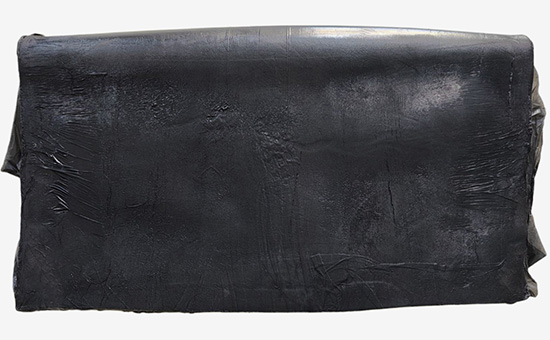
When blending recycled nitrile rubber with PVC, a higher proportion of recycled nitrile rubber generally results in better elasticity of the blend. When the PVC proportion is controlled among 20%-40%, the recycled nitrile rubber/PVC blend has good oil resistance, elasticity, ozone resistance, weather resistance, and aging resistance, and can be directly used in the production of various rubber products, such as nitrile rubber rollers. It can also partially replace chloroprene rubber, improving extrusion and vulcanization performance while reducing costs.
In actual production, there are differences in molecular structure and performance characteristics among recycled nitrile rubber and PVC. Factors such as product performance requirements and processing technology need to be considered. Experimental testing of blend properties, such as oil resistance, elasticity, and hardness at different ratios, can determine the optimal blending ratio of recycled nitrile rubber and PVC.
3. Key processing points for recycled nitrile rubber/PVC blends
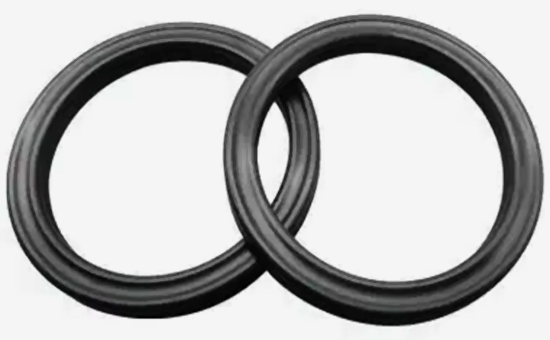
Recycled nitrile rubber/PVC blends are typically processed in internal mixers and open mills. Internal mixers provide strong shear forces to promote thorough mixing of the recycled rubber and PVC, with temperature controlled at 150-170℃. Open mills can further refine the blends, with temperature controlled at 120-140℃. When preparing different types of rubber products from recycled nitrile rubber/PVC blends, flat vulcanization machines or extruders should be selected according to product requirements, and vulcanization temperature and time should be controlled to ensure complete crosslinking.
Recycled nitrile rubber/PVC blends have good oil resistance, heat aging resistance, solvent and chemical corrosion resistance, relatively high tensile strength, set stress, and excellent dynamic flexing performance. They are more cost-effective than nitrile rubber/PVC blends and are widely used in the rubber product industry. Proper design of recycled nitrile rubber/PVC blend formulations can further improve overall properties, reduce more costs, and will be discussed in further detail later.
Exclusive original article [commercial authorization] reprint, excerpt and excerpt in any form are prohibited without written authorization. Focus on Hongyun rubber: learn the process formula and raw material technology of producing rubber products from recycled rubber to help you reduce costs and increase profits