Nitrile reclaimed rubber (NBR reclaimed rubber) has excellent oil resistance, good wear and heat resistance, and can be used alone or blended with virgin nitrile rubber to produce oil-resistant seals, oil seals, gaskets, hoses, shock absorbers, and other rubber products, effectively reducing raw material costs. When producing low-cost rubber products with NBR reclaimed rubber, properly improving the elasticity of the recycled rubber products can prevent issues like reduced elasticity, slow rebound, or increased permanent compression deformation during use. So, how can we effectively improve the elasticity of NBR reclaimed rubber products?
1. Choosing Reclaimed Rubber for High-Elasticity NBR Products
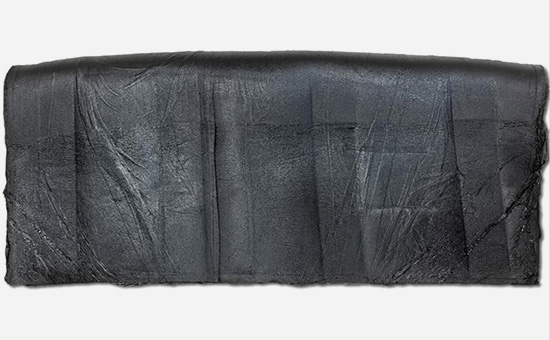
When using NBR reclaimed rubber as the main raw material, prioritizing reclaimed rubber with a high rubber content, complete desulfurization, stable Mooney viscosity, few impurities, and good elasticity is the foundation for improving the elasticity of NBR reclaimed rubber products. When blending NBR reclaimed rubber with virgin nitrile rubber, it's recommended to choose nitrile rubber grades with lower acrylonitrile content. With lower acrylonitrile content, the glass transition temperature decreases and the molecular chains become more flexible, resulting in better elasticity for nitrile rubber/reclaimed rubber products.
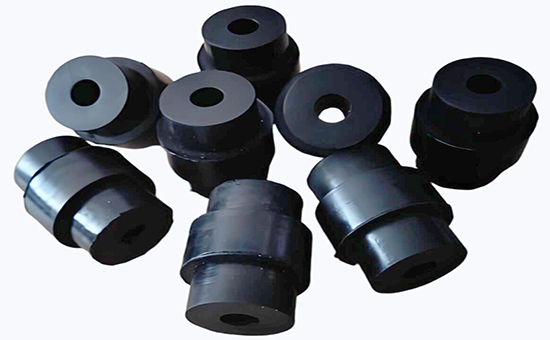
Increasing the rubber content of NBR reclaimed rubber products appropriately can effectively enhance the elastic recovery of the entire rubber system, which is especially noticeable for oil-resistant products requiring high rebound performance.
2. Key Points in Designing Vulcanization Systems to Improve NBR Reclaimed Rubber Elasticity
The vulcanization system of NBR reclaimed rubber products directly affects the elasticity of the vulcanized rubber. When using sulfur vulcanization, it is recommended to use a low-sulfur, high-accelerator, or semi-effective vulcanization system to reduce the proportion of polysulfide bonds, form more stable cross-links, and improve rebound and aging resistance. For high-hardness rubber products or those used long-term in oil, using a peroxide vulcanization system can achieve better elasticity retention and heat resistance.
When using peroxide vulcanization, adding co-crosslinking agents like TAIC or HVA-2 can effectively improve crosslinking efficiency, forming a more uniform and dense three-dimensional network, which enhances rebound performance. Adding moderate amounts of activators like zinc oxide helps improve the uniformity of vulcanization.
3. Key Points in Designing Reinforcing Fillers to Improve NBR Reclaimed Rubber Elasticity
When producing high-elasticity rubber products, the type of reinforcing filler and filler materials directly influences dynamic performance. Preferably use larger particle size, low-structure carbon black to reduce restrictions on molecular chain movement and minimize the use of high-structure carbon black. Precipitated silica combined with silane coupling agents can reinforce while improving dynamic rebound performance. Control the proportion of mineral fillers to avoid brittleness and decreased elasticity caused by excessive rigid fillers like heavy calcium carbonate or kaolin.
4. Key Points in Designing Plasticizing Systems to Improve NBR Reclaimed Rubber Elasticity
When designing softening and plasticizing systems, balance oil resistance and elasticity. Choose appropriate plasticizers according to oil resistance levels and avoid excessive use of low-cost oils like paraffin oil, which may improve processing but lead to increased permanent deformation and reduced elasticity over time.
5. Key Points in Processing High-Elasticity NBR Reclaimed Rubber Products
(1) Mixing: To improve elasticity, mix carbon black, fillers, and additives in a way that ensures uniform dispersion. When adding the vulcanization system in the final stage, control the mixing temperature to prevent premature activation of accelerators.
(2) Calendering/Extrusion: Control die temperature and shear speed to minimize structural damage.
(3) Vulcanization: Maintain stable temperature, pressure, and time to ensure uniform crosslinking and achieve high rebound and low permanent deformation. Strictly control vulcanization degree: under-curing results in insufficient network structure and low elasticity; over-curing increases crosslink density, making the rubber hard with reduced rebound. Optimal vulcanization time should be adjusted based on the formulation.
When using NBR reclaimed rubber to reduce production costs, it is crucial to select suitable types of reclaimed rubber, determine the proper blending ratio, and appropriately adjust the rubber formulation and processing conditions to further enhance the elasticity of NBR reclaimed rubber products.
Exclusive original article [commercial authorization] reprint, excerpt and excerpt in any form are prohibited without written authorization. Focus on Hongyun rubber: learn the process formula and raw material technology of producing rubber products from recycled rubber to help you reduce costs and increase profits