When using nitrile reclaimed rubber to produce low-hardness rubber seals, shock absorbers, protective sleeves, rubber rollers, and other products, it is necessary to reduce the hardness of the compound while also considering tensile strength, oil resistance, permanent compression deformation, and processing stability. Otherwise, issues such as adhesive buildup, reduced strength, insufficient vulcanization, or dimensional instability may occur. This approach can be addressed from the design of the rubber formulation and adjustment of the vulcanization process.
1. Tips for choosing rubber raw materials for low-hardness nitrile reclaimed rubber products
When producing low-hardness rubber products with nitrile reclaimed rubber, it is recommended to choose reclaimed rubber with lower hardness, and if necessary, it can be used together with oil-filled nitrile rubber. When nitrile reclaimed rubber products require high oil resistance E6LYY47, choose nitrile reclaimed rubber with high rubber content, uniform desulfurization, and low impurity content to avoid hardness fluctuations caused by differences in regeneration levels. Oil-filled nitrile rubber contains a certain proportion of plasticizing components internally, which can reduce intermolecular forces, improve the flexibility of the compound, and improve processing performance such as rolling and extrusion.
2. Key Points for Softening System Design of Low-Hardness Nitrile Reclaimed Rubber Products
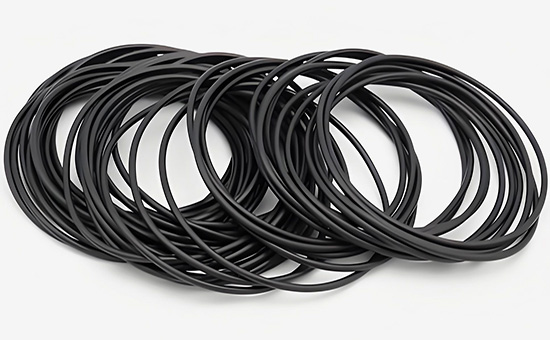
Appropriately increasing the amount of oil paste used can effectively reduce the hardness of nitrile reclaimed rubber products, but the more oil paste added, the more is not always better. When it exceeds the adhesive's absorption capacity, issues such as oil spraying, migration, strength loss, or even vulcanization and softening may occur; It is recommended to determine the ideal paste addition ratio based on the application scenario and hardness requirements of the nitrile reclaimed rubber product.
3. Key points for filling system design of low-hardness nitrile reclaimed rubber products
Nitrile rubber is a typical polar rubber. The surface of silica contains a large amount of hydroxyl groups, giving it strong interface bonding ability to polar rubber. While maintaining low hardness, it can improve tensile strength, tear performance, and wear resistance; Therefore, when producing low-hardness rubber products using nitrile reclaimed rubber, nitrile rubber/reclaimed rubber, and other rubbers, white carbon black usually achieves better reinforcement than carbon black. To further reduce costs, white carbon can be combined with lightweight calcium carbonate, talcum powder, and other fillers, controlling the hardness of nitrile reclaimed rubber while ensuring processing fluidity and dimensional stability.
It should be noted that the total amount of filler in low-hardness nitrile reclaimed rubber products should not be too high, otherwise the elasticity of the compound decreases and permanent compression deformation is likely to increase.
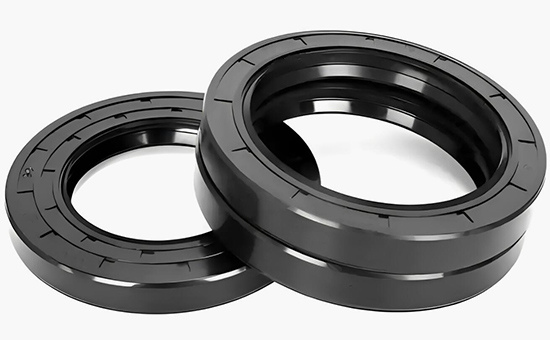
4. Key design points for vulcanization systems of low-hardness nitrile reclaimed rubber products
When producing low-hardness rubber products mainly from nitrile reclaimed rubber, vulcanization systems should not adopt high crosslinking density designs; Sulfur, accelerators, and activators should be maintained in appropriate proportions to make the vulcanization network of nitrile reclaimed rubber softer and prevent rapid hardness increases; Appropriately reduce the amount of sulfur and adjust the accelerator mix according to the vulcanization curve to maintain a balance among vulcanization speed and scorch safety.
5. Adjustment of vulcanization process for low-hardness nitrile reclaimed rubber products
In the production of low-hardness nitrile reclaimed rubber products, appropriately shortening the vulcanization time can keep the compound slightly hyposulfurized, which helps achieve a softer hand feel and lower Shore A hardness while ensuring physical properties meet usage requirements. It should be noted that the degree of undersulfurization must be strictly controlled. Insufficient vulcanization can easily lead to decreased wear resistance, increased permanent deformation, and reduced dielectric resistance. Therefore, the optimal vulcanization process should be determined based on rotor vulcanization instrument data, rather than relying solely on experience to shorten the vulcanization time.
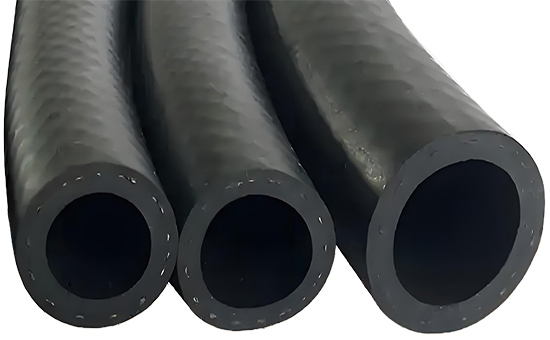
Using nitrile reclaimed rubber to produce low-hardness rubber products requires not only optimizing the raw rubber system, softening system, reinforcement and filling system, vulcanization system, and vulcanization process, but also paying attention to process parameters such as mixing temperature, feeding sequence, parking time, and vulcanization temperature; Nitrile reclaimed rubber for oil-resistant seals, flexible sheaths, and cushioning products must meet hardness requirements while also considering tensile strength, elongation, oil resistance, permanent compression deformation, and processing stability.
Exclusive original article [commercial authorization] reprint, excerpt and excerpt in any form are prohibited without written authorization. Focus on Hongyun rubber: learn the process formula and raw material technology of producing rubber products from recycled rubber to help you reduce costs and increase profits