As a option raw material to high-priced raw rubber, recycled rubber can be used alone or in combination with natural rubber and synthetic rubber to produce various solid rubber products and sponge rubber products. Compared with solid rubber, sponge rubber products have higher requirements for the performance of recycled rubber. What issues should be paid attention to when using recycled rubber to produce low-cost sponge foam rubber products? How to design a sponge rubber product formulation containing recycled rubber?
1. Choose skills for recycled rubber products for sponge rubber products
(1) When using recycled rubber to produce sponge rubber products, first of all, it is necessary to choose the appropriate variety of recycled rubber according to the use of rubber products, ordinary sponge rubber products such as sponge soles, sponge rubber plates, sponge sealing strips, etc. can use latex recycled rubber or tire recycled rubber, and sponge rubber with certain requirements for oil resistance (such as auto parts, mechanical seals) can use nitrile recycled rubber or neoprene recycled rubber, which has high requirements for heat resistance, ozone resistance and other performance requirements (outdoor sealing strips, high-temperature environment parts) is recommended to use EPDM recycled glue.
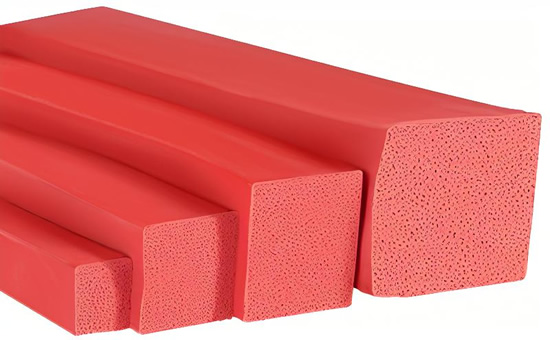
(2) After determining the variety of recycled rubber, it is necessary to consider the physical property indicators of recycled rubber, including tensile strength (choose according to the performance requirements of sponge rubber), Mooney viscosity (among 45-80), environmental protection (heavy metals, polycyclic aromatic hydrocarbon content), etc., and it is recommended to choose high-fineness, impurity-free recycled rubber to ensure uniform foaming of sponge recycled rubber products.
2. Choose skills of vulcanization system of recycled rubber sponge foam rubber products
When using recycled rubber to produce sponge foam rubber products, the vulcanization system design is key to the performance of the finished product. Ordinary sponge rubber products can use the traditional sulfur-accelerator system, heat-resistant or aging-resistant sponge rubber with EPDM recycled rubber E5LYY829 as the main raw material is recommended to use peroxide vulcanization, and neoprene recycled rubber products are recommended to choose metal oxide vulcanization; The vulcanization speed of recycled rubber needs to match the foaming speed, and the accelerator with retardation is generally chosen as the main accelerator, and the accelerator DM+M+D is used together.
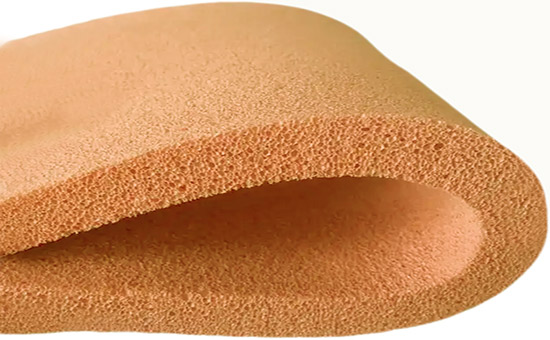
When designing the vulcanization system of recycled rubber sponge, it is necessary to use a vulcanizer to monitor the vulcanization curve through the test, and compare it with the thermal decomposition curve of the foaming agent used to ensure that the rate of the two matches.
3. Choose skills of foaming system for recycled rubber sponge foam rubber products
The foaming system of recycled rubber sponge foam rubber products determines the pore structure, density, etc. of sponge rubber, and the foaming agent used needs to meet the basic requirements such as good acid and alkali and photothermal stability, non-toxic and odorless, low decomposition heat, adjustable gas emission, and easy dispersion.
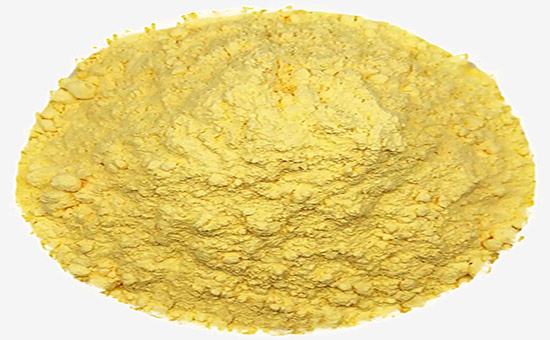
After the decomposition of the blowing agent H, N₂ and NH₃ are formed, which have large gas permeability and are easy to form a closed-cell structure, but have large shrinkage, which is suitable for products with less strict requirements for the bubble structure of the bubble structure. The blowing agent AC decomposes to produce N₂, CO, NH₃, which has less gas permeability and less shrinkage, and is easy to form a closed-cell structure, which is suitable for most sponge products. The blowing agent OBSH has a small expansion rate, the decomposition temperature is similar to the vulcanization temperature, and there is no need for additional foaming auxiliaries, which can form a uniform microporous structure and minimize shrinkage, which is suitable for products with strict dimensional accuracy.
Due to the high decomposition temperature of blowing agents H, AC, etc. (usually above 165°C), it is difficult to fully decompose at conventional vulcanization temperature, and foaming additives must be added to reduce their decomposition temperature. Commonly used foaming aids include organic acids (stearic acid, oxalic acid, boric acid, benzoic acid, salicylic acid, etc.) and urea and its compounds. Foaming additives can not only adjust the decomposition temperature of the foaming agent, but also reduce the odor produced by foaming and improve the skin thickness of sponge products.
4. Choose skills of reinforced rubber sponge foam rubber product reinforcement filling system
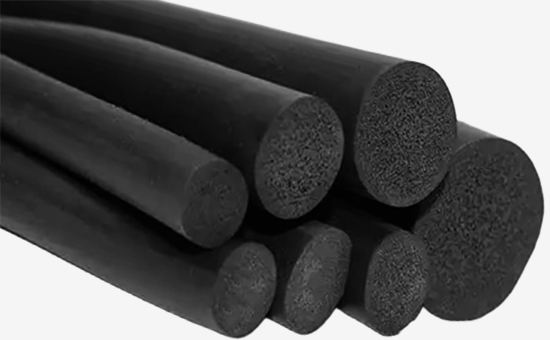
In the production of sponge recycled rubber products, the choose of filling system compound affects the density, hardness, cost and processing performance of sponge products. The principle of filler choose should follow the principle of "low density, good dispersion, and no significant hardening", and commonly used reinforcement agents and fillers include semi-reinforced carbon black (SRF), light calcium carbonate (light calcium), precipitation silica, etc. Lightweight calcium carbonate is inexpensive and relatively small in density, which can improve the fluidity of recycled rubber and promote uniform foaming, and is a commonly used incremental filler in recycled rubber sponges.
5.Choose skills of recycled rubber sponge foam rubber products softening and plasticization system
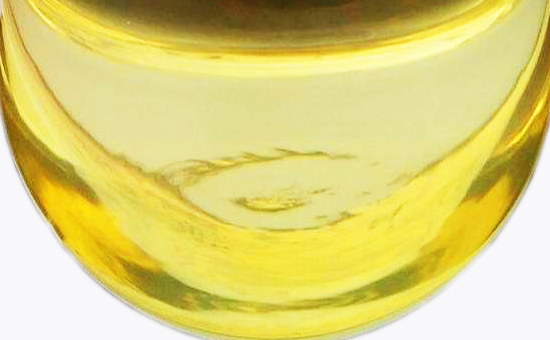
Softening plasticizers can adjust the plasticity of the compound, requiring the choose of softeners and plasticizers that are compatible with recycled rubber and have no adverse effects on the foaming process, such as commonly used organic oils, transformer oils, petroleum jelly, naphthenic oils, paraffin oils, chlorinated paraffins, vegetable oils and organic esters. Tire recycled rubber and natural latex recycled rubber give priority to naphthenic oil and paraffin oil; Nitrile recycled rubber and neoprene recycled rubber are recommended to choose ester softeners or chlorinated paraffin. Stearic acid is a special softener that functions as both an active agent and a foaming aid.
6.Choose skills of anti-aging system for recycled rubber sponge foam rubber products
When recycled rubber produces sponge foam rubber products, the porous structure of sponge rubber doubles its surface area exposed to the air, and it is more susceptible to aging and erosion by environmental factors such as oxygen, ozone, and heat, so the amount of anti-aging agent is generally 20-30% more than that of solid rubber products, which needs to be determined according to the color and aging type of recycled rubber foam products.
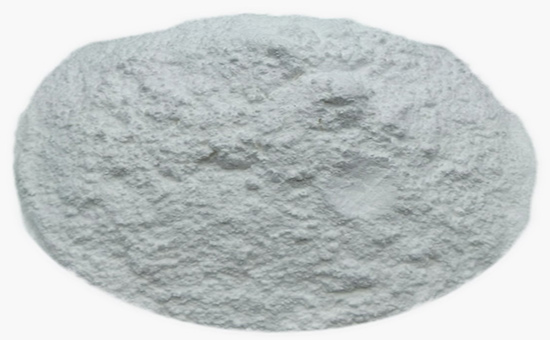
Generally, black sponge foam recycled rubber products can use anti-aging agents D, 4010 and other polluting anti-aging agents, anti-aging agent D has good anti-heat oxygen aging performance, and anti-aging agent 4010 has excellent protective effect on fatigue aging; Light-colored sponge rubber must be chosen with non-polluting anti-aging agents, such as 2246, MB, DOD, etc., anti-aging agent 2246 has excellent thermal oxygen aging protection performance and no discoloration, and anti-aging agent MB has excellent anti-thermal aging and flexural crack resistance.
When using recycled rubber or recycled rubber/raw rubber to produce sponge foam rubber products, rubber product manufacturers must choose the appropriate recycled rubber variety according to actual needs, reasonably design the formula of recycled rubber foam materials, and continue to discuss related issues with you later.
Exclusive original article [commercial authorization] reprint, excerpt and excerpt in any form are prohibited without written authorization. Focus on Hongyun rubber: learn the process formula and raw material technology of producing rubber products from recycled rubber to help you reduce costs and increase profits