When producing rubber products with reclaimed rubber, the reasonable use of anti-aging agents can delay the aging of reclaimed rubber and extend the service life of reclaimed rubber products. In actual production, using a single type of anti-aging agent may result in insufficient protection, excessive use, or blooming. Therefore, in the anti-aging system of reclaimed rubber products, it is common to use two or more anti-aging agents together. In this case, attention must be paid to the antagonistic effects among anti-aging agents.
1. What is the antagonistic effect of rubber anti-aging agents?
The antagonistic effect of rubber anti-aging agents refers to the phenomenon where the protective effect of two or more anti-aging agents used together is less than the sum of their individual effects. When selecting anti-aging agents for reclaimed rubber products, this phenomenon needs to be prevented.
2. Which reclaimed rubber anti-aging agents can produce antagonistic effects?
(1) Antagonistic effects of acidic and alkaline anti-aging agents
In reclaimed rubber products, when strongly acidic anti-aging agents are used together with strongly alkaline anti-aging agents, acid-base neutralization reactions are likely to occur, producing a compound similar to salt. This reduces the solubility and dispersion of the anti-aging agent within the rubber matrix, making it difficult to fully exert its protective effect. Common acidic anti-aging agents in reclaimed rubber product formulations include hindered phenol derivatives, which require special attention when used with certain amine-based alkaline anti-aging agents.
(2) Antagonistic effects of chain-breaking anti-aging agents with sulfur compounds
Chain-breaking anti-aging agents such as 4010NA, aromatic amines, and hindered phenols show significant antagonistic effects when used together with sulfur-containing compounds, especially polysulfides. In natural rubber vulcanized with 1% 4010NA, the addition of polysulfides increases the oxidation rate. When vulcanizing natural rubber with peroxides, the addition of trisulfides also significantly reduces antioxidant performance. When using latex reclaimed rubber to replace natural rubber for product production, extra care should be taken regarding the antagonistic effects among chain-breaking anti-aging agents and sulfur compounds.
(3) Antagonistic effects of carbon black with anti-aging agents
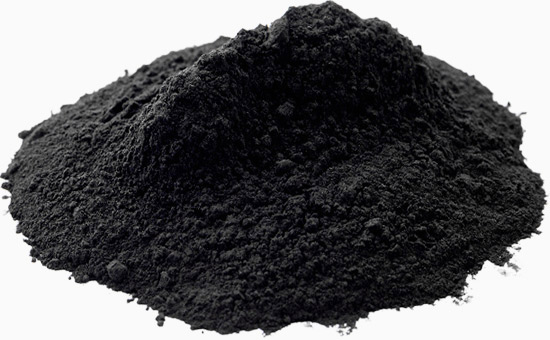
Carbon black is the most commonly used reinforcing agent in the production of reclaimed rubber products. In rubber, it can both inhibit and promote oxidation. When chain-breaking anti-aging agents are included in a reclaimed rubber product formulation, they can weaken the oxidation-inhibiting effect of carbon black. Conversely, the presence of carbon black can reduce the protective effectiveness of these anti-aging agents. When producing high-performance rubber products with reclaimed rubber, experiments can determine the types and amounts of carbon black and anti-aging agents to use.
The occurrence of antagonistic effects among rubber anti-aging agents is greatly related to the structure of sulfur compounds. For example, diene chain sulfides have significant antagonistic effects with anti-aging agents, while di-n-butyl sulfide and tri-n-hexyl trisulfide have no antagonistic effects. Typically, the impact of monosulfides is smaller than that of polysulfides. When producing rubber products with reclaimed rubber, it is essential to select the appropriate combination of anti-aging agents to avoid antagonistic effects.
Exclusive original article [commercial authorization] reprint, excerpt and excerpt in any form are prohibited without written authorization. Focus on Hongyun rubber: learn the process formula and raw material technology of producing rubber products from recycled rubber to help you reduce costs and increase profits