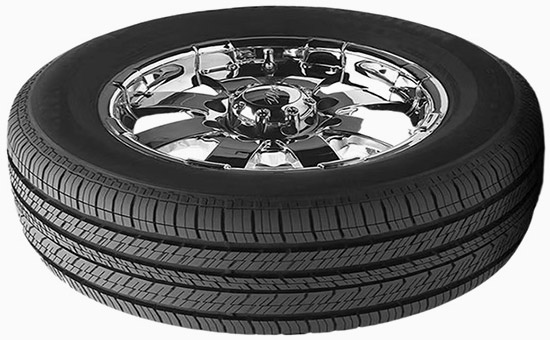
Butadiene rubber (BR) is polymerized from butadiene. Its physical and mechanical properties are close to those of natural rubber, with certain properties even superior to natural rubber. It has good elasticity, good low-temperature resistance, good wear resistance, good flex resistance, low heat build-up, and is compatible with natural rubber and styrene-butadiene rubber. It is mainly used for producing rubber products such as tires, rubber shoes, rubber tapes, and rubber rollers. The tensile strength and tear strength of BR are relatively low, so it is generally used together with natural rubber or styrene-butadiene rubber; with reasonable design of BR product formulations, the comprehensive performance of BR can be further improved.
1. Curing System Design for BR Products
When producing rubber products with BR as the main raw material, the commonly used system is the sulfur-accelerator system. Accelerators such as M, DM, CZ, NOBS are used together with sulfur. The amount of sulfur is 1.25–1.8 parts, and the amount of accelerator is 1.2–2 parts. When BR is used together with styrene-butadiene rubber in a 1:1 ratio, the sulfur amount is generally kept at 0.3–1.5 parts, using secondary sulfenamide accelerators like CZ (CBS), NOBS (MBS), or NS.
For BR products that require strict aging resistance, a combination of sulfur and sulfur donors (such as disulfides and dithiocarbamates) or a low-sulfur, high-accelerator semi-efficient curing system is often used, providing good physical, mechanical, and aging resistance properties. Using peroxide curing for BR results in very slow curing and significant odor, so it is not commonly used in BR formulations.
2. Reinforcing and Filler System Design for BR Products
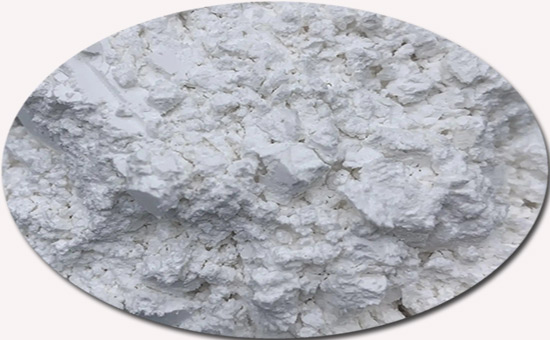
BR has relatively low strength and needs reinforcement with carbon black. High-structure furnace black with good dispersibility is recommended, such as N220 or N330. When using high-abrasion-resistant carbon black E5LYY1117 for reinforcement, the cured rubber has low elongation and high hardness, which can be adjusted by increasing the amount of liquid softener or plasticizer. For producing high-elasticity, low-heat-build-up BR products, semi-reinforcing carbon blacks like N770, general-purpose N660, quick extrusion N550, or other carbon blacks can be used; white BR products can use silica, clay, activated calcium carbonate, or calcium carbonate.
3. Anti-Aging System Design for BR Products
BR has poor resistance to sunlight and ozone aging. In rubber product production, amine anti-aging agents (such as 4010NA, 4010) and phenolic antioxidants (2246 is effective) are often used. If necessary, they can be combined with a secondary antioxidant like A, D, or BLE.
4. Softening and Plasticizing System Design for BR Products
Reasonable use of softeners and plasticizers can improve the wrapping and tackiness of BR. Common softeners and plasticizers include gum rosin, petroleum resin, aromatic oil, rosin oil, etc., for tackiness, as well as petroleum-based softeners. When used to improve processing performance, the amount of softeners and plasticizers varies with the carbon black content, generally 5–20 parts.
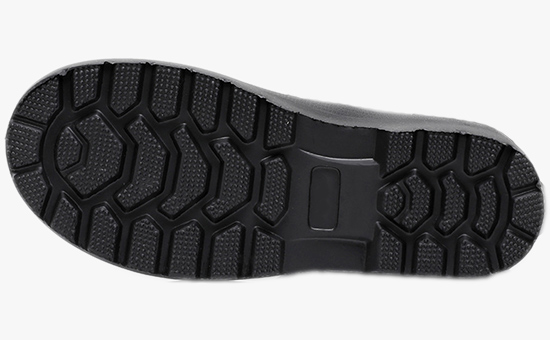
BR9000 has wide applications in tire manufacturing, rubber seals, sports equipment, construction, and electrical equipment. In times of high BR prices, rubber product manufacturers can also use secondary-grade BR or reclaimed BR to replace part of the BR. Later, I will share with you key points of BR product production technology and cost-effective curing formulations for BR products.
Exclusive original article [commercial authorization] reprint, excerpt and excerpt in any form are prohibited without written authorization. Focus on Hongyun rubber: learn the process formula and raw material technology of producing rubber products from recycled rubber to help you reduce costs and increase profits