Tire reclaimed rubber is made from the rubber part of waste tires, has good compatibility with natural rubber and styrene-butadiene rubber, and is much cheaper than virgin rubber. It can replace virgin rubber in producing tire liners, effectively reducing raw material costs. When using reclaimed rubber to reduce costs, if the degree of plasticizing of the original rubber is not properly controlled during the mixing stage, the dispersion, Möny viscosity, plasticity, and extrusion dimensions of the compound will all change after reclaiming. In severe cases, issues such as rough gasket surfaces, joint cracks, and unstable vulcanization performance may occur; So, at what stage can reclaimed rubber be added after the original rubber is plasticized?
1. The impact of the degree of raw rubber mastication on tire reclaimed rubber mixing
When adding tire reclaimed rubber to tire pads to reduce costs, the purpose of fully masticating the base rubber is to lower the initial viscosity of the raw rubber and improve processing performance, allowing subsequent additives and tire reclaimed rubber to be mixed more evenly into the compound.
Insufficient original rubber mastication, high viscosity of the compound, and the addition of tire reclaimed rubber can easily lead to incomplete mixing, heavy load on the internal mixer, forcing longer mixing times, and increasing local temperature rise; After the raw rubber is over-sheared, molecular chain degradation is significant. Although the compound softens, it may result in decreased raw rubber strength, poorer wrapper performance, and insufficient stiffness after extrusion. Rubber gaskets require high dimensional stability and tensile strength; excessive plasticizing of the original rubber can leave hidden risks for subsequent processing.
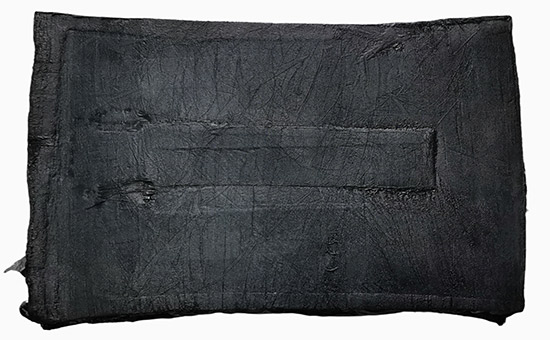
In actual production, the degree of plasticizing of the original rubber depends on the type of raw rubber, initial Mooney viscosity, equipment shear capacity, and the plasticity of the tire reclaimed rubber.
2. At what stage is it appropriate to add tire reclaimed rubber to the original rubber plasticizer?
During processing, tire reclaimed rubber undergoes multiple physical and chemical steps such as crushing, desulfurization, and refining, giving it good plasticity and flowability. When used together with natural rubber or natural rubber/styrene-butadiene rubber E6LYY421 to produce tire liners, the approach of "pre-plasticizing the original rubber — adding the tire reclaimed rubber — continuing mixing" is suitable: once the original rubber reaches a state where it can smoothly wrap the rollers and has some plasticity but is not obviously too soft, the tire reclaimed rubber is gradually added, allowing the two compounds to gradually fuse under mechanical shearing.
When mixing rubber gasket and strip rubber with tire reclaimed rubber in the internal mixer, pay close attention to the material feeding state, torque changes, and discharge temperature; During mixing in the open mill, it is necessary to observe the roller wrapping properties, the state of the gel mixing, and whether the rubber surface is uniform.
3. Mixing and adding sequence of gasket rubber mixed with tire reclaimed rubber
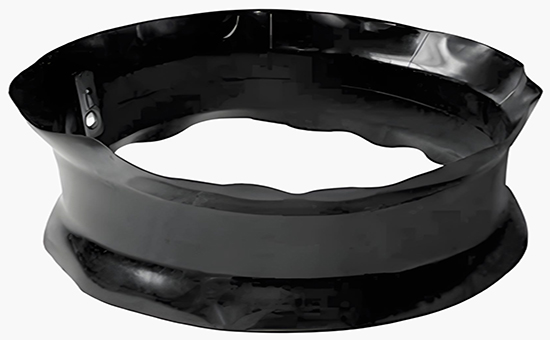
When rubber pads and strips are mixed with tire reclaimed rubber, the order of additives affects the quality of the compound. Generally, the feeding rhythm is arranged according to equipment characteristics to avoid large amounts of softener entering the system too early, which can cause the compound to suddenly soften, slip, or disperse. For rubber pads that need to be rolled or extruded, the rubber compound cannot only pursue low viscosity; it must have reasonable flowability while maintaining sufficient stiffness and processing strength.
If the proportion of tire reclaimed rubber added to the rubber gasket is high, it is essential to strictly control the mixing temperature and time to prevent performance fluctuations caused by excessive shearing.
When producing tire gaskets using natural rubber and a combination of natural rubber/styrene-butadiene rubber as the main raw materials, the reasonable blending of tire reclaimed rubber can effectively reduce production costs. There is no universal answer to every formula regarding the timing of adding tire reclaimed rubber after plastic plastic processing. Usually, adding tire reclaimed rubber after the original rubber reaches a moderate plasticity is more effective for maintaining mixing stability than prematurely plasticizing the original rubber to be very soft.
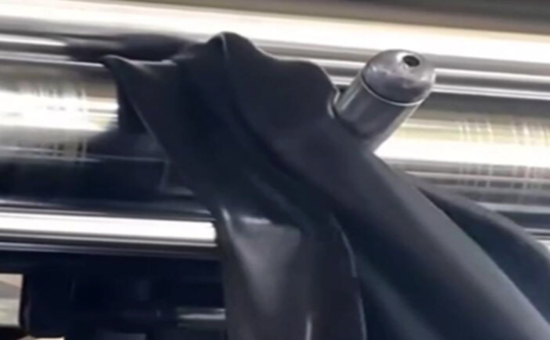
If the tire reclaimed rubber becomes hard and poorly dispersed after addition, check whether the original rubber mastication is insufficient and the plasticity of the reclaimed rubber itself; If the compound is too soft, with indented dimensional fluctuations or insufficient stiffness, check whether the base rubber has been over-plasticized, whether the softener was added too early, and whether the proportion of tire reclaimed rubber is too high. During the production of tire gasket tape rubber, adjusting the base rubber, tire reclaimed rubber, additives, and mixing equipment during mixing is necessary to maintain stable processing and performance of the gasket while reducing costs.
Exclusive original article [commercial authorization] reprint, excerpt and excerpt in any form are prohibited without written authorization. Focus on Hongyun rubber: learn the process formula and raw material technology of producing rubber products from recycled rubber to help you reduce costs and increase profits