Long-term exposure to high-temperature environments, as well as stress from thermal-oxidative aging, media corrosion, and repeated mechanical stress, puts high requirements on the heat resistance of rubber products such as steam hoses, high-temperature conveyor belts, and engine peripheral seals. Typically, these are processed mainly from EPDM (ethylene propylene diene monomer) rubber. EPDM reclaimed rubber retains the basic performance characteristics of virgin EPDM and can replace part of the virgin rubber in producing heat-resistant rubber products, significantly reducing material costs while ensuring performance.
1. Key Points in Designing the Vulcanization System for Heat-Resistant Rubber Products Using EPDM Reclaimed Rubber
The higher the bond energy, the slower the oxidation rate of the vulcanized rubber, and the better its heat-oxidation aging resistance. When using EPDM reclaimed rubber together with virgin rubber, it is recommended to use a peroxide vulcanization system. If a sulfur system is used, an effective vulcanization system with low sulfur or a sulfur donor system should be chosen to avoid a high proportion of polysulfide bonds, which can compromise heat resistance.
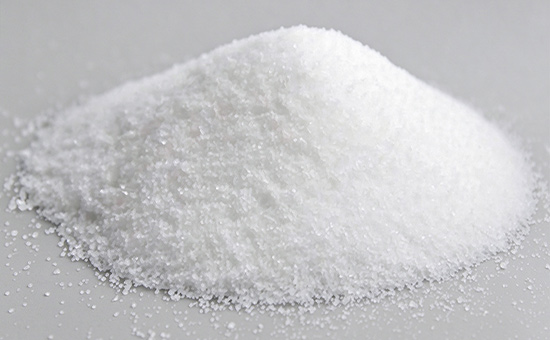
It is particularly important to note that in heat-resistant EPDM reclaimed rubber formulations, more vulcanizing agent is not always better. Excessive amounts can lead to further crosslinking during aging, causing increased post-aging hardness changes and reduced elongation at break retention. When using a peroxide vulcanization system, the peroxide content can be appropriately reduced to prevent over-crosslinking. Adding a small amount of co-agent such as TAIC can increase crosslinking speed and degree, improving hardness, set stress, and compression set of the rubber.
2. Key Points in Designing the Plasticizer System
The type and amount of plasticizer affect heat resistance. Generally, the lower the molecular weight, the higher the usage, or the poorer the compatibility with rubber, the worse the heat resistance. This results in higher volatility in hot air, greater thermal weight loss, and more noticeable increases in hardness or decreases in elongation after thermal aging.
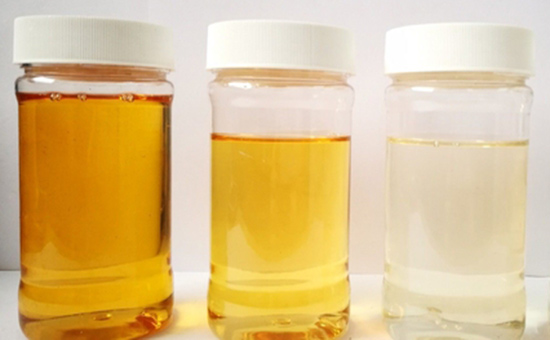
For heat-resistant products with EPDM reclaimed rubber or blended EPDM/EPDM reclaimed rubber, high-flash-point paraffinic oils are commonly used, limited to 40 parts.On the other hand, using saturated liquid rubbers (low molecular weight polymers) like liquid EPDM, polybutene, or hydrogenated polyisoprene as plasticizers results in lower volatility or extractables and better heat resistance of the vulcanizates.
3. Key Points in Designing the Anti-Aging System
Choosing appropriate antioxidants can inhibit rubber aging and further improve the heat resistance of EPDM reclaimed rubber products, especially those cured with peroxide. Common radical scavengers include RD, BLE, and 264, often used alongside anti-aging synergists like MB and MTI for enhanced heat protection. The combination of RD and MB is the most widely used system.
4. Key Points in Designing the Reinforcing Filler System
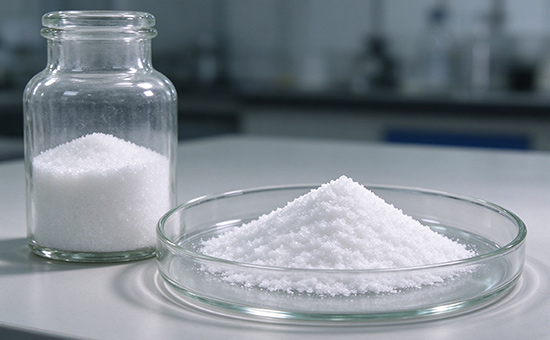
For reinforcing with carbon black, medium or medium-low reinforcing blacks like N550 and N774 are commonly chosen to ensure better heat resistance. Inorganic fillers generally offer better heat resistance than carbon black; talc or calcined kaolin can partially replace carbon black without affecting vulcanization, further improving heat resistance. When necessary, heat-resistant fillers like zinc oxide, magnesium oxide, or antimony oxide can be used in amounts of 5–20 parts.
5. Proper Control of Rubber Content in Heat-Resistant EPDM Reclaimed Rubber Compounds
When producing heat-resistant rubber products primarily from EPDM reclaimed rubber or blended EPDM/EPDM reclaimed rubber, excessive fillers and rubber oils can negatively impact heat-aging performance. For example, radiator hoses should ideally have a rubber content of 35%-40%.
For manufacturers producing heat-resistant rubber products that are exposed to high temperatures and repeated thermal-oxidative stress, the key to cost reduction and efficiency with EPDM reclaimed rubber lies not in blindly increasing its proportion. Instead, it is about finding the optimal balance among reclaimed rubber quality, vulcanization, plasticizer, anti-aging, reinforcing filler systems, and rubber content based on the product's actual usage temperature, media conditions, and performance requirements. This ensures heat-resistant lifespan and reliability while optimizing both raw material costs and process stability.
Exclusive original article [commercial authorization] reprint, excerpt and excerpt in any form are prohibited without written authorization. Focus on Hongyun rubber: learn the process formula and raw material technology of producing rubber products from recycled rubber to help you reduce costs and increase profits