When producing rubber products with reclaimed rubber, the vulcanization system directly determines the mechanical strength, heat and aging resistance, as well as processing performance of the reclaimed rubber products. A system formed by several substances that can cause rubber to vulcanize (crosslink) is called a vulcanization system. According to the type of vulcanizing agent used, it can be divided into sulfur vulcanization systems and non-sulfur vulcanization systems. In actual production, what's the difference among sulfur and non-sulfur vulcanization systems for reclaimed rubber?
1. Different vulcanizing agents are used in sulfur and non-sulfur vulcanization systems for reclaimed rubber
(1) A sulfur vulcanization system for reclaimed rubber refers to a vulcanization system where sulfur, selenium, tellurium, and sulfur-containing compounds are used as the rubber vulcanizing agents. It mainly consists of vulcanizing agents, accelerators, activators, and scorch inhibitors. Most reclaimed rubber product formulas do not require adding scorch inhibitors. The main sulfur-containing compounds include polysulfide thiuram compounds, such as TMTD and DTDM.
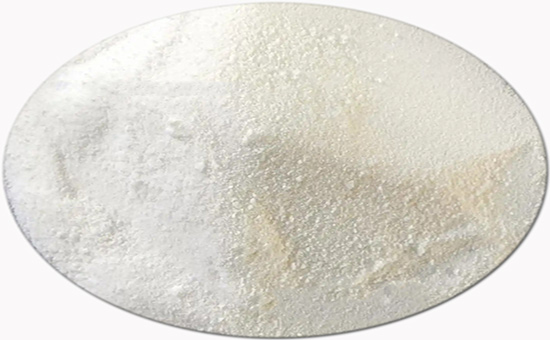
(2) A non-sulfur vulcanization system for reclaimed rubber refers to a vulcanization system where substances other than sulfur, selenium, tellurium, and sulfur-containing compounds are used as rubber vulcanizing agents. It generally consists of vulcanizing agents and vulcanization auxiliaries (acid absorbers), mainly including peroxides, metal oxides, ester compounds, amine compounds, and resin compounds.
2. Different applications for sulfur and non-sulfur vulcanization systems of reclaimed rubber
(1) Sulfur vulcanization systems are mainly used for the vulcanization of latex reclaimed rubber, tire reclaimed rubber, isoprene reclaimed rubber, nitrile reclaimed rubber, styrene-butadiene reclaimed rubber, and cis-butadiene reclaimed rubber products. Low-unsaturation butyl reclaimed rubber and EPDM reclaimed rubber can also use sulfur vulcanization.
(2) Non-sulfur vulcanization systems are mainly used for highly saturated synthetic reclaimed rubber and specialty synthetic reclaimed rubber.
3. Different crosslink structures in sulfur and non-sulfur vulcanization systems for reclaimed rubber
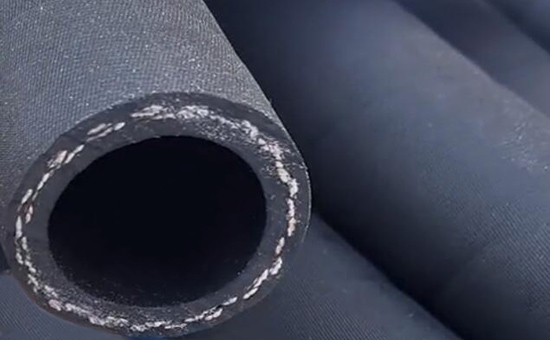
When reclaimed rubber is vulcanized using a sulfur vulcanization system, the main crosslinks formed are monosulfide, disulfide, and polysulfide bonds. Using a non-sulfur vulcanization system mainly produces carbon-carbon, carbon-nitrogen, and metal bonds.
When producing rubber products with reclaimed rubber, the type of vulcanization system causes significant differences in the mechanical properties, heat resistance, and aging resistance of the vulcanized rubber. Rubber product manufacturers need to determine the system based on the environment, contact medium, and mechanical performance requirements for the product E6LYY41. For reclaimed rubber products requiring high strength and wear resistance, sulfur vulcanization is recommended, whereas for rubber products with high heat resistance requirements, peroxide vulcanization is preferred. I’ll continue sharing tips on choosing vulcanization systems for different types of reclaimed rubber products later.
Exclusive original article [commercial authorization] reprint, excerpt and excerpt in any form are prohibited without written authorization. Focus on Hongyun rubber: learn the process formula and raw material technology of producing rubber products from recycled rubber to help you reduce costs and increase profits