Tire recycled rubber is made by processing waste tire rubber powder and can be re-added into tire formulations to improve processing performance and reduce raw material costs. However, in actual production, recycled rubber is not suitable for all parts of a tire. Factors such as driving speed, load capacity, operating temperature, and requirements for wear resistance, tear resistance, and fatigue resistance all affect the choice and proportion of recycled rubber. When tire manufacturers use recycled rubber to cut costs, they must make comprehensive judgments based on rubber performance, production processes, and actual tire usage conditions.
1. Tips for using recycled rubber in tire tread compounds
During driving, the tread is in direct contact with the road, enduring friction, impact, and cyclic deformation over time, which requires high resilience, wear resistance, tear resistance, and fatigue resistance. Whether recycled rubber can be used in tread compounds depends on the type of tire and performance indicators.
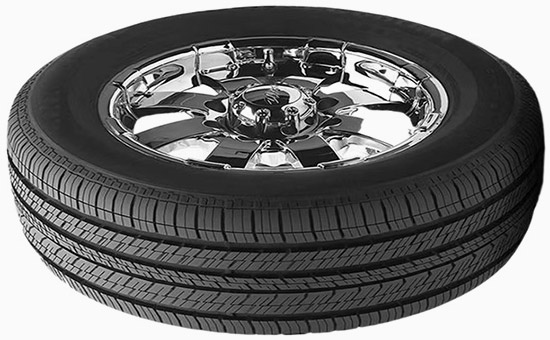
For smaller cross-section tires with lower speeds and relatively mild usage conditions, recycled rubber can be added in moderation. For high-speed passenger car tires, heavy-duty tires, and other high-performance tires, it’s recommended to prioritize using tread recycled rubber with high rubber content and fine particle size, strictly controlling the proportion of recycled rubber. In retreaded tire treads, the ratio of recycled rubber should be determined according to rubber dynamic performance, wear resistance, and safety requirements.
2. Tips for using recycled rubber in tire ply coat and skim compounds
The inner ply coat and skim compounds of a tire have lower surface wear requirements, so recycled rubber can be used in moderation. Recycled rubber has lower elasticity, resulting in less elastic recovery and internal heat generation during calendering, which helps broaden the processing window and reduce the risk of local overheating and burning; for small-sized truck tires and some passenger car tires, a mix of virgin rubber and recycled rubber can be used, provided adhesion, heat resistance, and fatigue resistance are met, improving processing performance and reducing material costs.

3. Tips for using recycled rubber in tire bead filler compounds
Recycled rubber can also be added moderately in bead filler and triangular filler strip production to improve calendering performance and lower raw material costs. The formulation should be adjusted based on hardness, stiffness, dimensional stability, and mechanical properties after vulcanization, rather than solely relying on the price or plasticity of recycled rubber to determine the amount.
4. Proportion of recycled rubber in different tire compounds
In actual production, recycled rubber can be added in appropriate amounts to sidewall compounds, gum strips, and other areas to effectively reduce raw material costs. There is no fixed standard for the proportion of recycled rubber in different tire parts—for example, 5-15 parts of recycled rubber can be added to passenger car tire tread, 40-60 parts to ply coat and skim compounds, and large amounts can be used in gum strips to cut costs.
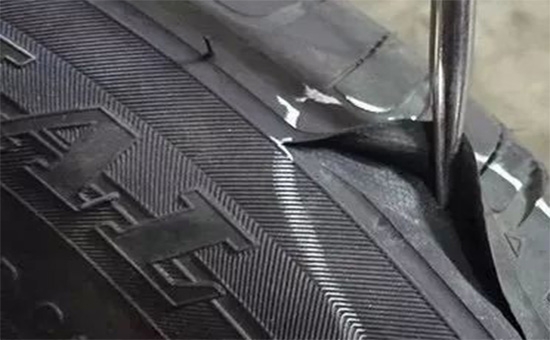
When using recycled rubber for cost reduction in tire production, it’s essential to determine the performance requirements of the rubber, select the appropriate recycled rubber, conduct small-scale trials, mixing, and calendering tests, and evaluate properties such as tensile strength, elongation at break, tear strength, resilience, heat aging resistance, and dynamic fatigue. This helps determine a reasonable proportion that balances cost savings with product performance and safety.
Exclusive original article [commercial authorization] reprint, excerpt and excerpt in any form are prohibited without written authorization. Focus on Hongyun rubber: learn the process formula and raw material technology of producing rubber products from recycled rubber to help you reduce costs and increase profits