Oil-resistant rubber separators are widely used in automotive parts, hydraulic and pneumatic equipment, pumps and valves, and industrial control systems. They mainly serve sealing, isolation, and pressure transfer functions. For long-term contact with oily substances, they must have excellent oil resistance while also withstanding repeated bending, stretching, and compression. Facing the pressure of raw material costs, many rubber product companies have begun considering adding nitrile reclaimed rubber to their formulations. So, can nitrile reclaimed rubber be used in oil-resistant rubber separators? What issues should be noted?
1. Feasibility analysis of producing oil-resistant rubber separators from nitrile reclaimed rubber
Nitrile reclaimed rubber is made from recycled nitrile rubber products for desulfurization, retaining the basic properties of nitrile rubber, with a high oil resistance coefficient, good heat and wear resistance, and meeting the basic performance requirements of oil-resistant rubber separators; It has good compatibility with nitrile base rubber and can be used in any ratio with nitrile rubber to produce oil-resistant rubber membranes for different application scenarios, improving the processing performance of rubber compounds and reducing raw material costs for rubber products.
2. How much nitrile reclaimed rubber is suitable for oil-resistant rubber separators?
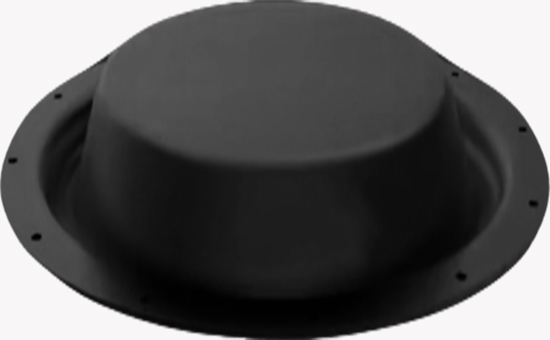
The performance requirements for oil-resistant rubber separators vary depending on the application scenario. Some membranes only need to withstand periodic deformation under lower pressure, while others must operate continuously E6LYY30 under higher pressure, larger strokes, or higher temperatures. Therefore, the dosage ratio of nitrile reclaimed rubber varies greatly. For separators that focus on oil-resistant sealing and cost control and have relatively moderate dynamic fatigue requirements, the proportion of nitrile reclaimed rubber is higher; For membranes that withstand high-frequency reciprocating movement, significant deformation, or high safety requirements, the amount of reclaimed rubber used needs to be controlled. The acrylonitrile content in nitrile reclaimed rubber must be close to that of the base rubber to ensure a balance among oil resistance and elasticity.
In actual production, nitrile base rubber can maintain the strength, elasticity, and dynamic properties of the compound, while nitrile reclaimed rubber can serve part of the basic compound's functions, reducing raw material costs. For low-pressure, low-frequency, or small-deformation separators, 40%-70% nitrile reclaimed rubber can be added, gradually evaluated through small-scale trial mixing; For high-frequency dynamic separators, it is recommended to prioritize fatigue life and tear resistance, and not blindly increase the amount of nitrile reclaimed rubber just to reduce costs. It is recommended to control the dosage ratio at 15%-35%.
3. Key points for adjusting the formula for oil-resistant rubber separators using reclaimed rubber
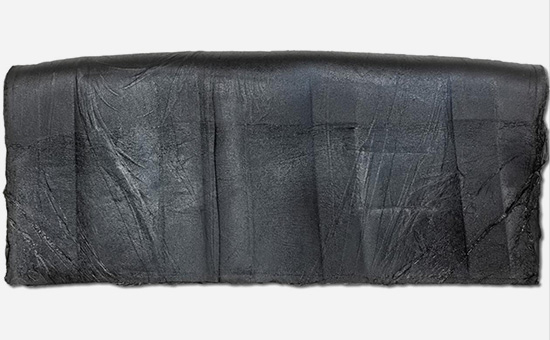
When adding reclaimed nitrile rubber to oil-resistant rubber separators, the vulcanization system can mainly use a sulfur-accelerator system (semi-effective vulcanization or effective vulcanization system). The vulcanized rubber has good fatigue resistance, compression deformation resistance, and low tendency to revert. High-wear carbon black, semi-reinforced carbon black reinforcement, and an appropriate combination of light calcium carbonate/kaolin can reduce shrinkage and facilitate calendering. The overall filler amount should not be too large; Dioctyl phthalate (DOP), dibutyl phthalate (DBP), or liquid nitrile are used as plasticizers, balancing processability, volatility, and oil resistance requirements.
4. Key production process points for oil-resistant rubber separators mixed with nitrile reclaimed rubber
When producing oil-resistant rubber membranes with nitrile reclaimed rubber, the feeding sequence, mixing temperature, and discharge conditions should be controlled during mixing to ensure full dispersion of nitrile reclaimed rubber, base rubber, reinforcing fillers, and other additives. During vulcanization, temperature and time should be determined based on the vulcanization characteristics of the compound to avoid under-sulfur affecting strength and sealing performance, and to prevent over-sulfur or unreasonable crosslinking structures from damaging dynamic properties. For thin or complex structural separators, attention should be paid to compound flowability, thickness uniformity, and defect control during the molding process.
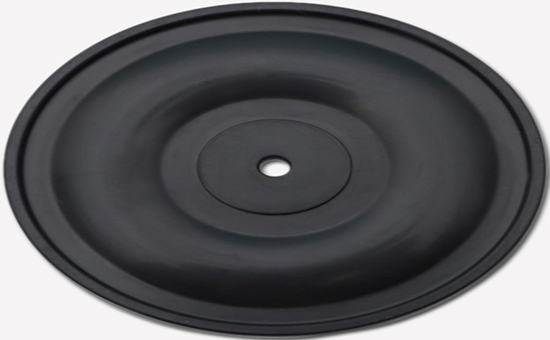
To reduce raw material costs, using nitrile reclaimed rubber can be considered, but not all membranes use the same formula; According to the specific requirements of rubber separators, select nitrile reclaimed rubber with appropriate indicators and stable quality, reasonably control the dosage ratio, appropriately adjust rubber formulations and production process parameters, and comprehensively consider oil resistance, dynamic fatigue performance, and sealing performance to effectively reduce raw material costs while ensuring the safety of rubber membranes.
Exclusive original article [commercial authorization] reprint, excerpt and excerpt in any form are prohibited without written authorization. Focus on Hongyun rubber: learn the process formula and raw material technology of producing rubber products from recycled rubber to help you reduce costs and increase profits