Rubber inner tubes are elastic rubber bladders used for tank vulcanization of outer tires. The inner layer rubber requires good airtightness to prevent leakage of the heat medium. Butyl reclaimed rubber retains the basic performance characteristics of butyl rubber and can replace part of the butyl rubber in the production of inner tubes, maintaining good airtightness while reducing raw material costs. How much butyl reclaimed rubber can be mixed in the inner layer rubber of an inner tube? What are the benefits? What issues should be noted?
1. Advantages of Adding Butyl Reclaimed Rubber to Inner Layer Rubber Butyl reclaimed rubber is processed from waste butyl inner tubes and retains the basic performance characteristics of butyl rubber. Its plasticity and flowability are better than the original rubber, making it easy to knead. Inner layer rubber for water tires is generally processed using natural rubber, or a combination of natural rubber and chlorobutyl rubber as the main raw materials. Natural rubber has high mechanical strength and good elasticity, but its airtightness and aging resistance are not ideal. Adding an appropriate amount of butyl reclaimed rubber during the production of inner layer rubber can improve the air permeability resistance, aging resistance, and processing properties of the water tire.
2. Techniques for Mixing Butyl Reclaimed Rubber into Inner Layer Rubber
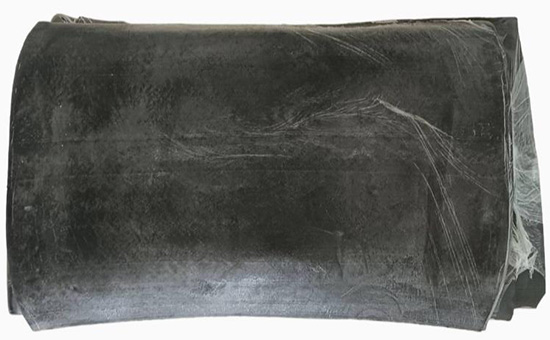
When mixing butyl reclaimed rubber into natural rubber or natural rubber/chlorobutyl rubber inner layer rubber, it is necessary to comprehensively consider the physical and mechanical properties of the compound rubber, airtightness, processing flowability, and raw material costs. Generally, 10%-20% butyl reclaimed rubber can be used, which can fully utilize its advantages of good airtightness, aging resistance, heat resistance, and low cost, without significantly affecting key mechanical properties such as tensile strength, stress at set elongation, and resilience.
By reasonably controlling the proportion of butyl reclaimed rubber in the inner layer rubber formulation, it can be well blended and compatible with natural rubber and chlorobutyl rubber, improving processing flowability during mixing, extrusion, and molding, reducing the risk of scorching, and increasing production efficiency.
3. Vulcanization Formulations for Inner Layer Rubber of Rubber Tubes Containing Butyl Reclaimed Rubber
Natural Rubber 90 parts, Butyl Reclaimed Rubber 10 parts, Zinc Oxide 5 parts, Stearic Acid 2 parts, Antioxidant D 1 part, Antioxidant 4010NA 1 part, Paraffin Wax 1 part, Carbon Black N774 30 parts, Kaolin 60 parts, Asphalt 6 parts, Pine Tar 1 part, Accelerator DM 0.5 parts, Sulfur 2.5 parts; Total: 210 parts.
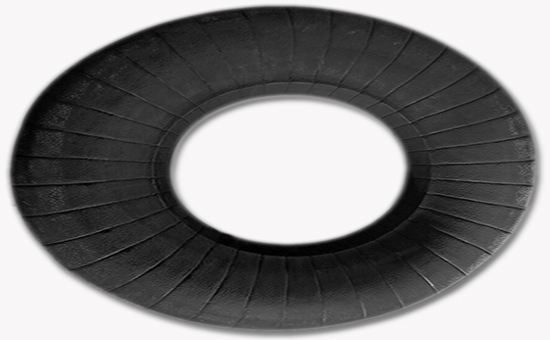
Chlorobutyl Rubber 60 parts, Natural Rubber 25 parts, Butyl Reclaimed Rubber 15 parts, Zinc Oxide 5 parts, Magnesium Oxide 0.3 parts, Stearic Acid 2 parts, Antioxidant D 0.5 parts, Antioxidant 4010 0.5 parts, Carbon Black N220 40 parts, Kaolin 20 parts, Vaseline 5 parts, Asphalt 3 parts, Accelerator DM 1 part, Accelerator TMTD 1 part; Total: 178.3 parts.
When adding butyl reclaimed rubber to inner layer rubber, it is necessary not only to adjust the production formulation but also to appropriately adjust production process parameters, especially vulcanization and mixing processes. In the future, we will share with you the selection techniques of compounding agents and key points of the production process for inner layer rubber with added butyl reclaimed rubber.
Exclusive original article [commercial authorization] reprint, excerpt and excerpt in any form are prohibited without written authorization. Focus on Hongyun rubber: learn the process formula and raw material technology of producing rubber products from recycled rubber to help you reduce costs and increase profits