Butyl reclaimed rubber has excellent airtightness, heat aging resistance, and good shock absorption. It is widely used in the production of rubber sealing strips that require high airtightness, water tightness, heat resistance, and shock absorption, effectively reducing raw material costs and production energy consumption. In actual production, which rubber sealing strips can use butyl reclaimed rubber? What issues should be noted when producing high-performance, low-cost rubber sealing strips with butyl reclaimed rubber?
1. Application of butyl reclaimed rubber in common rubber sealing strips
In actual production, butyl reclaimed rubber can be used alone or combined with butyl rubber, chlorinated butyl rubber, EPDM rubber, natural rubber, and styrene-butadiene rubber to produce rubber sealing strips, and it is widely used in automotive, construction, industrial, and other fields.
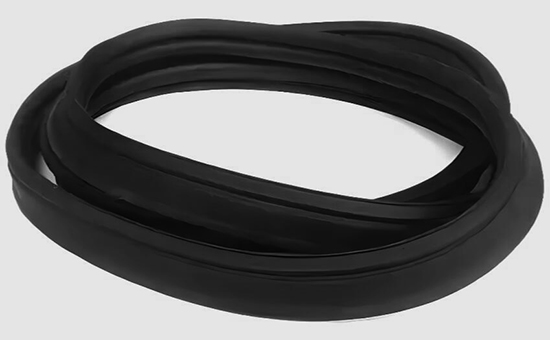
(1) Automotive industry: In the production of sealing strips such as car door seals, window guide groove seals, trunk seals, and auxiliary engine compartment seals, butyl E6LYY18 reclaimed rubber can be appropriately used to reduce costs; (2) Construction industry: Butyl reclaimed rubber has good aging resistance and can be used to produce plastic steel door and window sealing strips, aluminum alloy door and window sealing strips, curtain wall sealing strips, etc.; (3) Industrial field: Butyl reclaimed rubber has good airtightness and can be used to produce rubber sealing strips for pipelines, storage tanks, equipment dust-proof seals, and duct seals, which require lower tensile strength and higher sealing performance.
In actual production, rubber products such as refrigerator door seals, air conditioner sealing strips, distribution cabinet sealing strips, and waterproof sealing tapes in household appliances can also be appropriately blended with butyl reclaimed rubber to reduce costs while ensuring sealing performance and service life.
2. Key points for producing rubber sealing strips with butyl reclaimed rubber
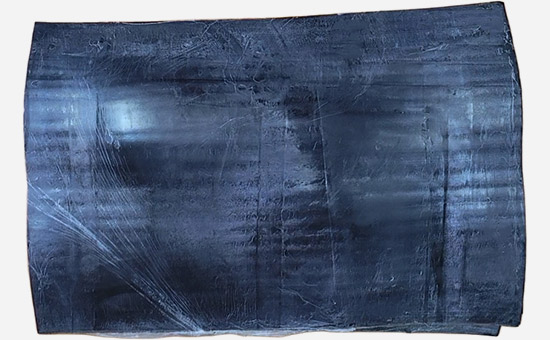
(1) Tips for choosing butyl reclaimed rubber for rubber sealing strips
When producing rubber sealing strips with butyl reclaimed rubber, it is recommended to choose 60-80 mesh filter butyl reclaimed rubber, which has high fineness and fewer impurities, making it easy to extrude and avoiding appearance defects and leak points caused by impurities. Random inspections of the quality of butyl reclaimed rubber from different batches include indicators such as Mooney viscosity, tensile strength, elongation at break, and ash content to avoid batch fluctuations affecting the sealing strip's airtightness and strength
(2) Pay attention to the proportion of butyl reclaimed rubber in the rubber sealing strip
Different types of rubber sealing strips have different performance requirements, and the proportion of butyl reclaimed rubber used varies greatly. Manufacturers need to reasonably control the proportion of butyl reclaimed rubber based on actual performance requirements. For high-end automotive sealing strips with dynamic sealing or exposed visibility, IIR/EPDM raw rubber should be the main material, with butyl reclaimed rubber only partially substituted.
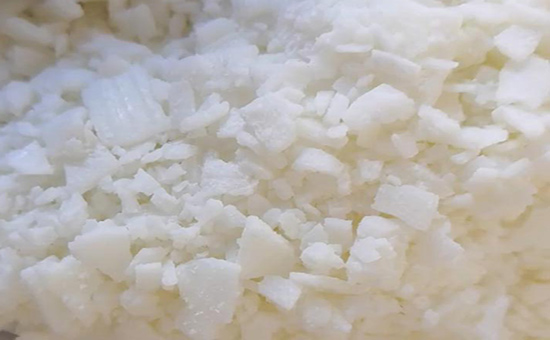
(3) Key points for formula design for rubber sealing strips produced by butyl reclaimed rubber
When using butyl reclaimed rubber to produce rubber sealing strips, it is recommended to choose naphthenic oil or paraffin oil and avoid ester softeners; Supporting additives such as oil, polymer wax, or modified plastics can be appropriately added to the shaped sealing strips to improve the stiffness and dimensional stability of the sealing strips; Combining carbon black N550 and carbon black N774 provides good reinforcement and excellent processing performance; When necessary, add paraffin and anti-aging agents to enhance the resistance of butyl reclaimed rubber to the medium.
(4) Key points of the vulcanization process for mixing rubber sealing strips in the production of butyl reclaimed rubber
Butyl reclaimed rubber sealing strips can be mixed in one or two stages, strictly controlling the feeding sequence, mixing temperature, discharge temperature, and discharge time to ensure even distribution of carbon black, softener, and vulcanization system, avoiding local undersulfur or over-sulfurization that affects sealing strip quality; During extrusion, unevenly spaced screws can be used, with low feed glue temperature to ensure a smooth surface and stable dimensions; During vulcanization, it is recommended to press or continuously vulcanize; for thick products, pay attention to venting; if necessary, perform two-stage vulcanization.
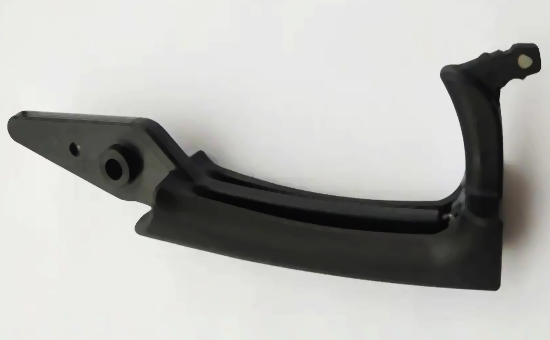
Butyl reclaimed rubber has good airtightness, heat resistance, and aging resistance, and is widely used in automotive sealing strips, building door and window sealing strips, industrial equipment sealing strips, and home appliance sealing strips. When producing rubber sealing strips with butyl reclaimed rubber, it is essential to reasonably determine the dosing ratio based on the sealing strip's usage environment and performance requirements, adjust the reinforcement and vulcanization systems, strictly control the mixing and vulcanization process parameters, and balance the performance, production efficiency, and cost of the rubber sealing strips.
Exclusive original article [commercial authorization] reprint, excerpt and excerpt in any form are prohibited without written authorization. Focus on Hongyun rubber: learn the process formula and raw material technology of producing rubber products from recycled rubber to help you reduce costs and increase profits