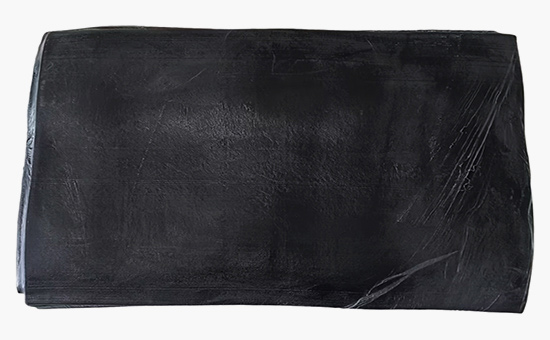
Butyl reclaimed rubber is made from waste butyl inner tubes and processed through crushing, desulfurization, and refining processes. It retains the excellent airtightness, aging resistance, and shock absorption properties of butyl rubber. The product is inexpensive and has good processing performance, and can fully or partially replace butyl virgin rubber or be combined with natural rubber and EPDM reclaimed rubber to produce rubber products, effectively reducing raw material costs. When producing rubber products with reclaimed rubber from butyl inner tubes, the following issues need to be noted.
1. Pay attention to the proportion of butyl reclaimed rubber used
When using butyl reclaimed rubber to replace high-priced raw rubber in rubber production, the proportion of reclaimed rubber should be reasonably controlled based on the product's physical requirements and cost budget. If the proportion of butyl reclaimed rubber is too low, E5LYY1230 the cost reduction effect on rubber products is not significant; Excessive dosing can easily lead to decreased tensile strength, reduced resilience, and increased permanent compression deformation in rubber products. Generally, high-performance butyl rubber products can contain 10%-40% butyl reclaimed rubber, such as automotive inner tubes; Ordinary heat-resistant rubber products can contain 30%-60% butyl reclaimed rubber, such as heat-resistant rubber hoses; The proportion of butyl reclaimed rubber in low-end rubber products mostly exceeds 70%, such as sealing fillers and shock-absorbing waterproof pastes.
2. Appropriately adjust the vulcanization system of butyl reclaimed rubber products
When adding butyl reclaimed rubber to rubber products to reduce costs, it is necessary to reasonably choose vulcanization systems. When used together with butyl rubber, it is recommended to use a highly active vulcanization system for higher vulcanization efficiency. When producing sponge foam rubber products with butyl reclaimed rubber, the vulcanization speed must match the foaming speed to effectively prevent defects such as collapse or perforation in the finished product.
3. Determine whether butyl reclaimed rubber needs filtration
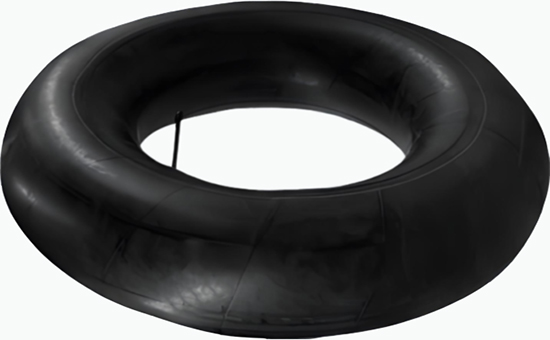
When producing rubber inner tubes, rubber bulbs, or thin-walled rubber products with high airtightness requirements using butyl reclaimed rubber, it is recommended to choose ultrafine filter butyl reclaimed rubber with high fineness and no impurities. Filtration can be performed if necessary to prevent tiny impurities from causing pores or air leakage in the product. Preheat the butyl reclaimed rubber in advance, clean and replace the filter screen promptly, and add sulfur/accelerator after the filter to prevent burning.
4. Key points of the mixing process for butyl reclaimed rubber products
When producing rubber products using butyl reclaimed rubber and butyl rubber/butyl reclaimed rubber together, the mixer/open mill must be thoroughly cleaned before mixing to prevent cross-contamination with unsaturated rubber or impurities; During mixing, the internal mixing temperature is about 150°C, the rubber filling capacity is 10%-20% higher than that of natural rubber, and the top capping pressure is slightly higher; When the temperature of the front roller of the mill is 15-20°C lower than that of the rear roll, feed in batches. Compared to butyl virgin rubber, butyl reclaimed rubber absorbs powder quickly and disperses easily during mixing, while adding reclaimed rubber can effectively shorten the mixing cycle.
5. Vulcanization process parameters for butyl reclaimed rubber products
During vulcanization of reclaimed rubber for butyl inner tubes, the vulcanization temperature is generally slightly higher than that of the butyl base rubber. When using butyl reclaimed rubber to produce molded rubber products, attention must be paid to venting to effectively prevent bubbles. A small amount of silicone oil can be added for demolding; During extrusion, the feed adhesive temperature is relatively low, ensuring a smooth surface and stable dimensions. Compared with butyl virgin rubber, butyl reclaimed rubber has better fluidity, better vulcanization flatness, longer charring time, smooth semi-finished product surfaces, low shrinkage, and good dimensional stability.
When replacing high-priced raw rubber with butyl reclaimed rubber to produce rubber products, manufacturers also need to pay attention to the stability of reclaimed rubber products. It is recommended to cooperate with reclaimed rubber manufacturers of a certain scale to test Mooney viscosity, ash content, tensile strength, and elongation by batch; The Mooney viscosity fluctuation should be controlled within ±3, and the ash content should be < 1.0% as much as possible.
Exclusive original article [commercial authorization] reprint, excerpt and excerpt in any form are prohibited without written authorization. Focus on Hongyun rubber: learn the process formula and raw material technology of producing rubber products from recycled rubber to help you reduce costs and increase profits