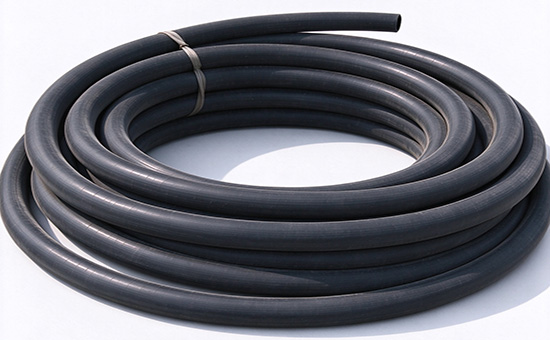
Rubber hoses are a type of flexible tubular rubber product used for transporting various gases, liquids, viscous fluids, and solid particle powders under positive or negative pressure. They are widely used in industrial, agricultural, energy, and transportation fields. Hoses made primarily from natural rubber, styrene-butadiene rubber (SBR), or polybutadiene rubber (BR) can mix in a certain amount of vulcanized rubber powder. For example, air or water delivery hoses can use vulcanized rubber powder to reduce raw rubber costs without affecting performance. So, what should be considered when using vulcanized rubber powder to cut costs in rubber hoses?
1. How much vulcanized rubber powder can be added to a rubber hose?
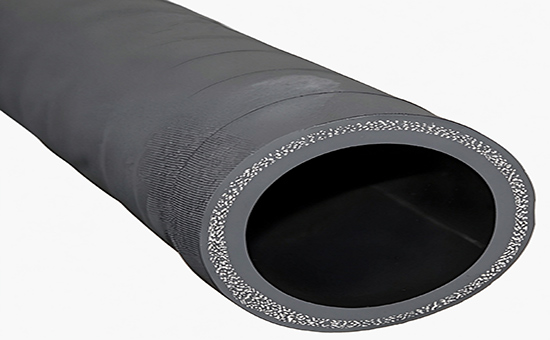
Rubber hoses usually consist of an inner rubber layer, reinforcing layers, and an outer rubber layer, while fabric-reinforced hoses need intermediate layers or filler compounds to bond layers together. Different layers serve different functions, so the amount of vulcanized rubber powder added varies.
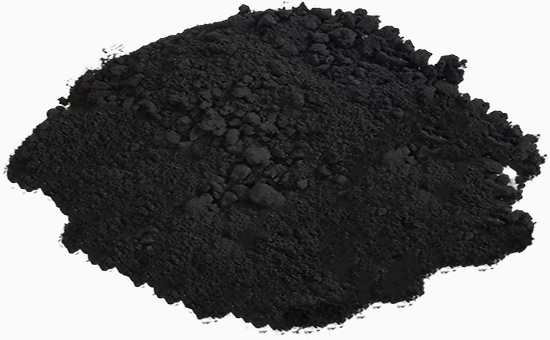
The inner layer directly contacts the conveyed medium and needs to meet requirements for resistance to the medium, wear, and sealing. Ordinary hoses primarily made of NR or SBR can add a suitable amount of E6LYY714 vulcanized rubber powder, with a rubber content of 25%-30%. The middle layer, made mainly from NR, SBR, or BR, can also contain vulcanized rubber powder, keeping the rubber content around 25%. For outer layers with lower performance requirements, the amount of vulcanized rubber powder can be appropriately higher.
2. How to properly choose vulcanized rubber powder for hoses
The particle size, impurity content, and rubber source of vulcanized rubber powder affect the dispersion of the rubber mix and the performance of the final product. When choosing vulcanized rubber powder for hose production, consider the layer thickness and whether you are using calendering or extrusion processes to pick the right powder size, ensuring even particle distribution and good surface quality and layer adhesion.
3. Key points for designing the softening system in rubber hoses with vulcanized rubber powder
After adding vulcanized rubber powder, the rubber mix’s plasticity, flow, and calendering performance may change. You should carefully adjust the use of softeners, plasticizers, and reinforcement fillers. Simply adding more softener to improve processing can reduce rubber strength or affect layer adhesion.
4. Key points for mixing process of rubber hoses with vulcanized rubber powder
During mixing, the feeding sequence should be based on your equipment to ensure thorough blending of raw rubber, fillers, and powder. The powder should be added at the right stage, controlling mixing temperature and time to avoid local agglomeration and uneven dispersion. If the hose is extruded, monitor surface appearance, dimensional stability, and post-vulcanization characteristics. For fabric-reinforced hoses, focus on the wetting, bonding, and adhesion strength among rubber and fabric after vulcanization.
Vulcanized rubber powder is made through crushing and retains the basic crosslinked structure, meaning it cannot be re-plasticized and fully participate in vulcanization like raw rubber. When using vulcanized rubber powder, don’t just look at the price or blindly pursue high filler content. Consider particle size, surface condition, rubber content, and real working conditions. Properly matching vulcanized rubber powder and standardizing formula design, mixing, extrusion, and calendering ensures reduced material costs while maintaining long-term, stable hose performance under positive and negative pressure, maximizing the practical value of the powder in hose products.
Exclusive original article [commercial authorization] reprint, excerpt and excerpt in any form are prohibited without written authorization. Focus on Hongyun rubber: learn the process formula and raw material technology of producing rubber products from recycled rubber to help you reduce costs and increase profits