The radiator hose is a key component of the automobile engine cooling system, and the outer rubber of the hose is directly exposed to the external environment during use, which requires the rubber to have good weather resistance, wear resistance, corrosion resistance and other performance characteristics. Butyl recycled rubber retains the basic performance characteristics of butyl rubber, can it be used in the production of radiator hose outer adhesive? What issues should be paid attention to during use?
1. The advantage of butyl recycled rubber mixed with the outer layer of the radiator hose
Butyl recycled adhesive has good air tightness, heat resistance and chemical corrosion resistance, which can not only meet the basic performance requirements of the outer layer of radiator hose, but also improve the processing performance, processing safety and hot air aging performance of the finished product. In actual production, butyl recycled rubber can be used with butyl rubber or EPDM rubber to produce radiator hose outer adhesive, which is much lower than the original rubber, effectively reducing raw material costs and utility costs.
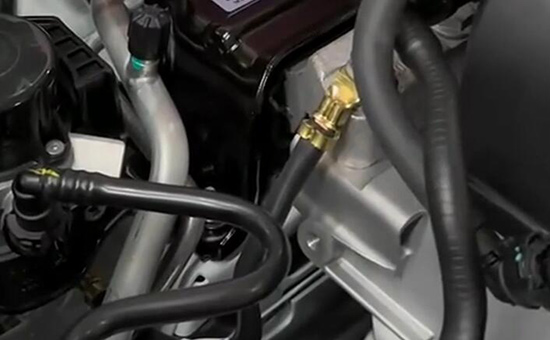
2. Selection skills for butyl recycled rubber for radiator hoses
When using an appropriate amount of butyl recycled rubber in the radiator hose to reduce costs, it is recommended to give priority to filtered butyl recycled rubber with high butyl content, high strength, small specific gravity and few impurities. Under normal circumstances, rubber pipes with a wall thickness of 3-5mm need to use recycled rubber with more than 60 mesh, and rubber pipes with a wall thickness of less than 2mm need to use recycled rubber with about 80 mesh to ensure that the surface of the extruded hose is smooth and bright.
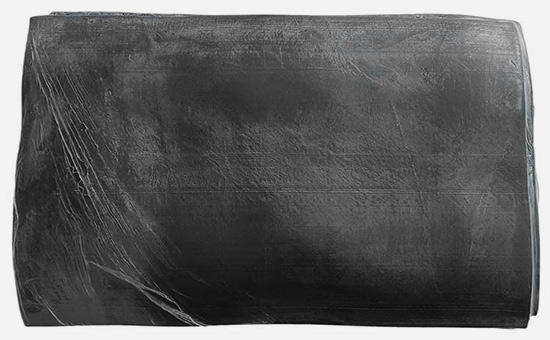
Hongyun 55% butyl recycled rubber selects more than 900 waste butyl inner tubes as the main raw material, and is filtered and refined by 80 mesh after desulfurization by advanced segmented desulfurization method after picking and crushing, which has the characteristics of high tensile strength, high fineness, strong air tightness, shock absorption, tastelessness, heat resistance, ozone resistance, aging resistance, corrosion resistance, rich hand elasticity, etc., which can be used alone or in combination with butyl rubber to produce extruded or molded high-air tightness products, and can also be used in conjunction with ethylene propylene rubber to improve performance.
3. Key points of the design of the radiator hose mixed with butyl recycled adhesive formula
When the outer layer of the radiator hose is mixed with butyl recycled glue, sulfur or resin vulcanization system can be used, especially when the amount of butyl glue is large. When a small amount of butyl recycled rubber is mixed with a small amount of butyl recycled rubber in the outer adhesive E5LYY731 the radiator hose mainly EPDM rubber, peroxide vulcanization can also be used, and the vulcanized rubber has better heat resistance. When the outer layer of the radiator hose can be reinforced with carbon black, pay attention to the effect of carbon black on the heat resistance of the adhesive. It is recommended to use petroleum-based high boiling point operating oil; Choose an anti-aging agent with good protection effect on heat and oxygen.
The reasonable use of butyl recycled rubber in the outer layer of automobile radiator hose can not only reduce the cost of raw materials, but also maintain the stability of the compound. I will share with you the key points of the production process of butyl recycled rubber to produce outer adhesive for automobile radiator hoses, especially the compounding and vulcanization processes.
Exclusive original article [commercial authorization] reprint, excerpt and excerpt in any form are prohibited without written authorization. Focus on Hongyun rubber: learn the process formula and raw material technology of producing rubber products from recycled rubber to help you reduce costs and increase profits